
CJSOI

Stablecoins, Banking & Blockchain

Stablecoins

CJSOI explainers and analysis covering stablecoins.
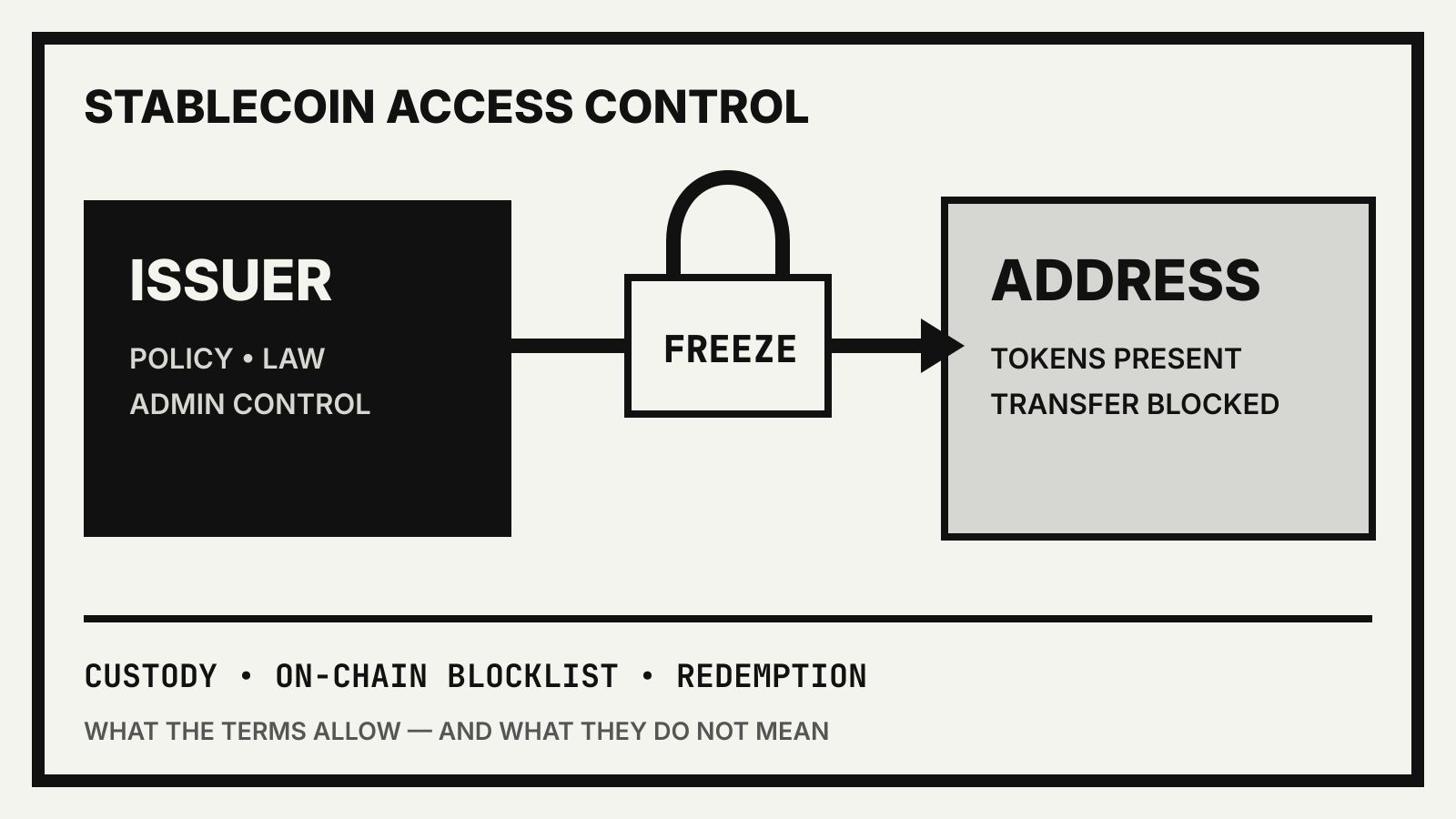
Monochrome diagram on how a stablecoin issuer can restrict an account, freeze custodial balances or blocklist an address
Stablecoins ·

Can Stablecoin Issuers Freeze Funds? USDC and USDT Rules

Issuer controls can block stablecoin transfers, custodial balances or redemption. Here is how USDC and USDT differ.
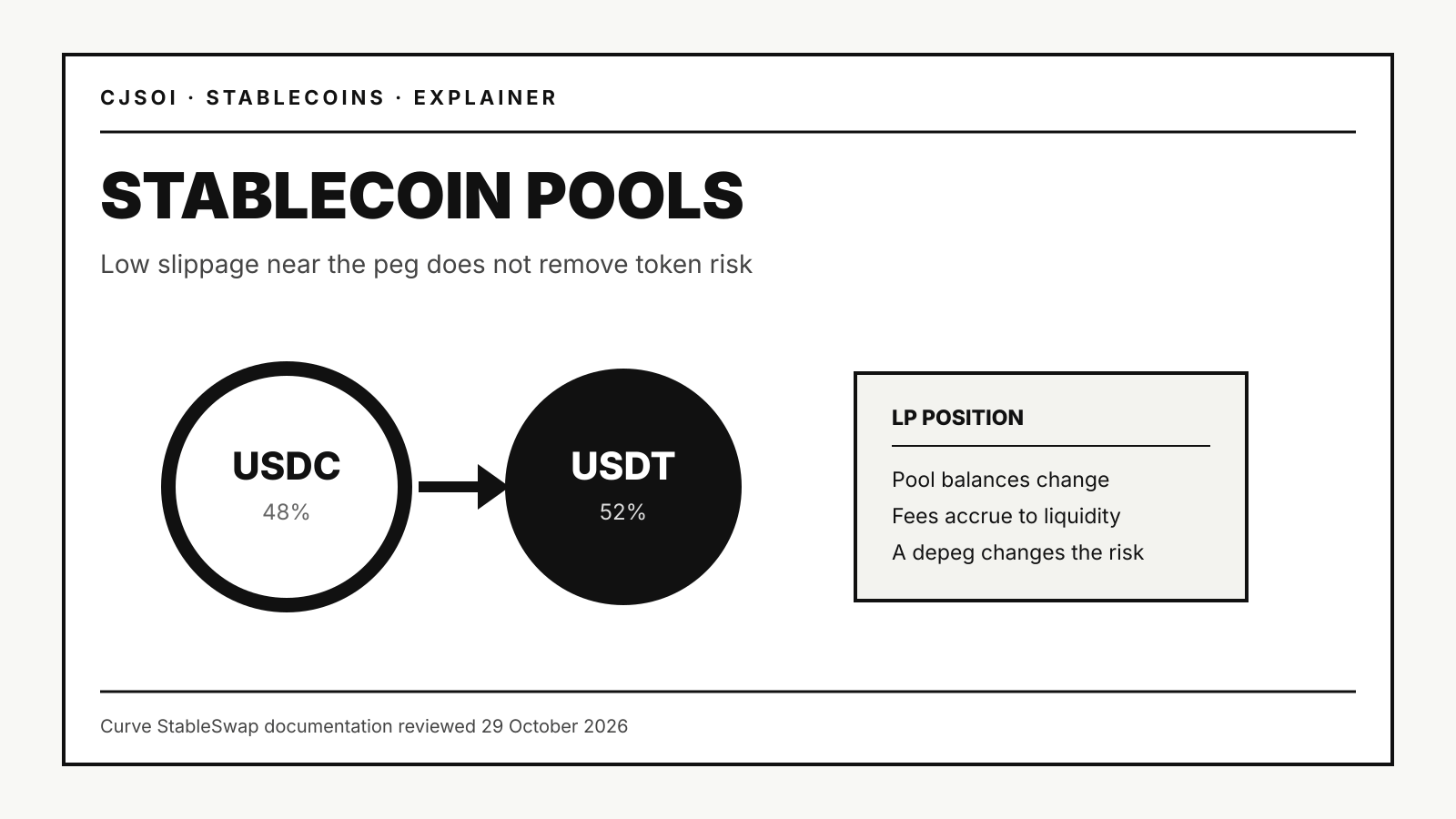
Monochrome CJSOI diagram of a stablecoin liquidity pool balancing USDC and USDT, with notes on changing balances, fees and depeg risk.
stablecoins ·

Stablecoin Liquidity Pools: How Swaps and LP Risk Work

How stablecoin liquidity pools price swaps, change an LP's token mix and concentrate depeg risk.
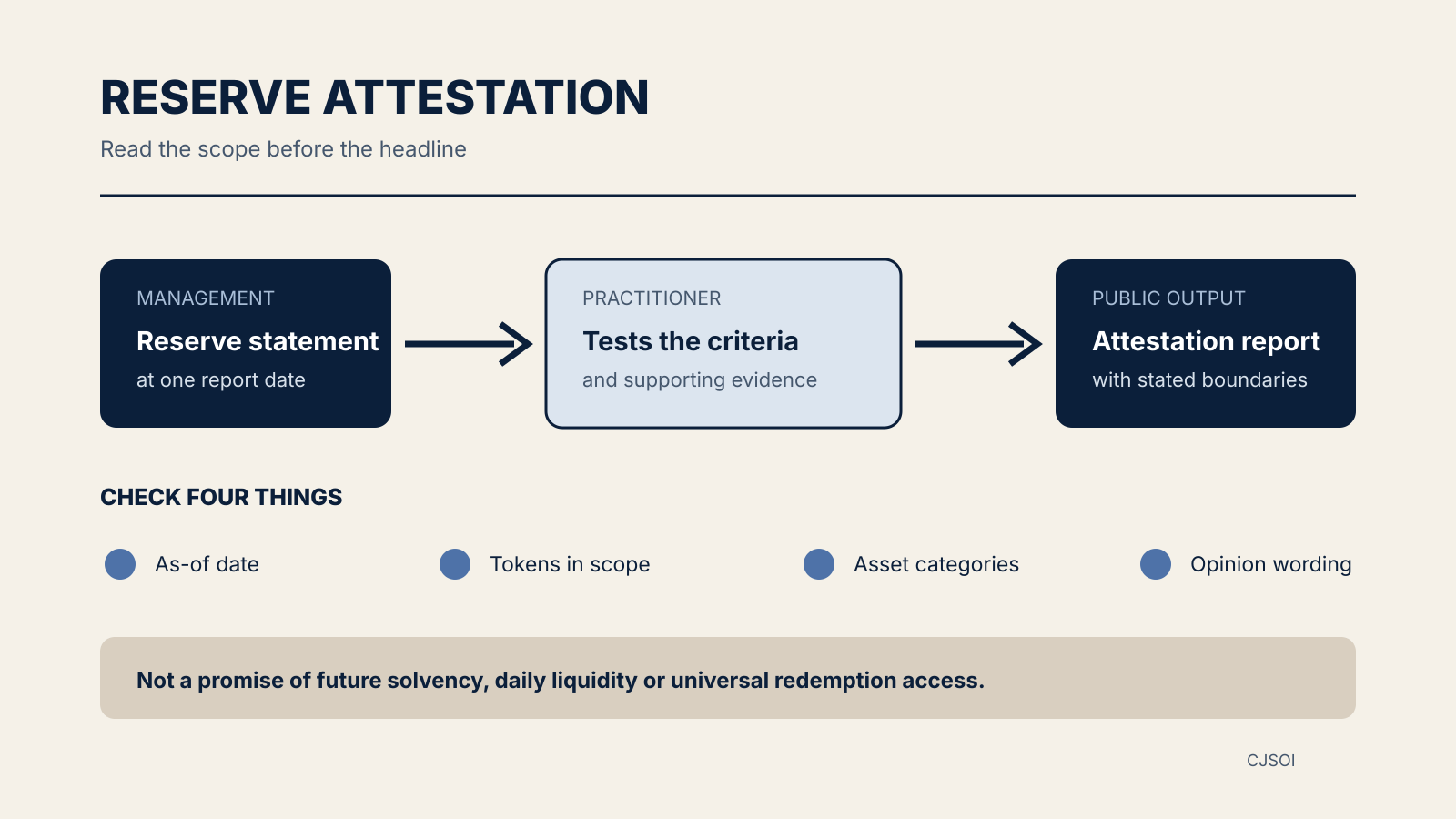
Monochrome reserve-attestation diagram showing a management reserve statement, practitioner tests and a public report, with checks for the date, tokens, assets and opinion wording.
Stablecoins ·

Stablecoin Reserve Attestations: A Reader's Guide

Read a stablecoin reserve attestation by its date, scope, asset categories and opinion without overclaiming.
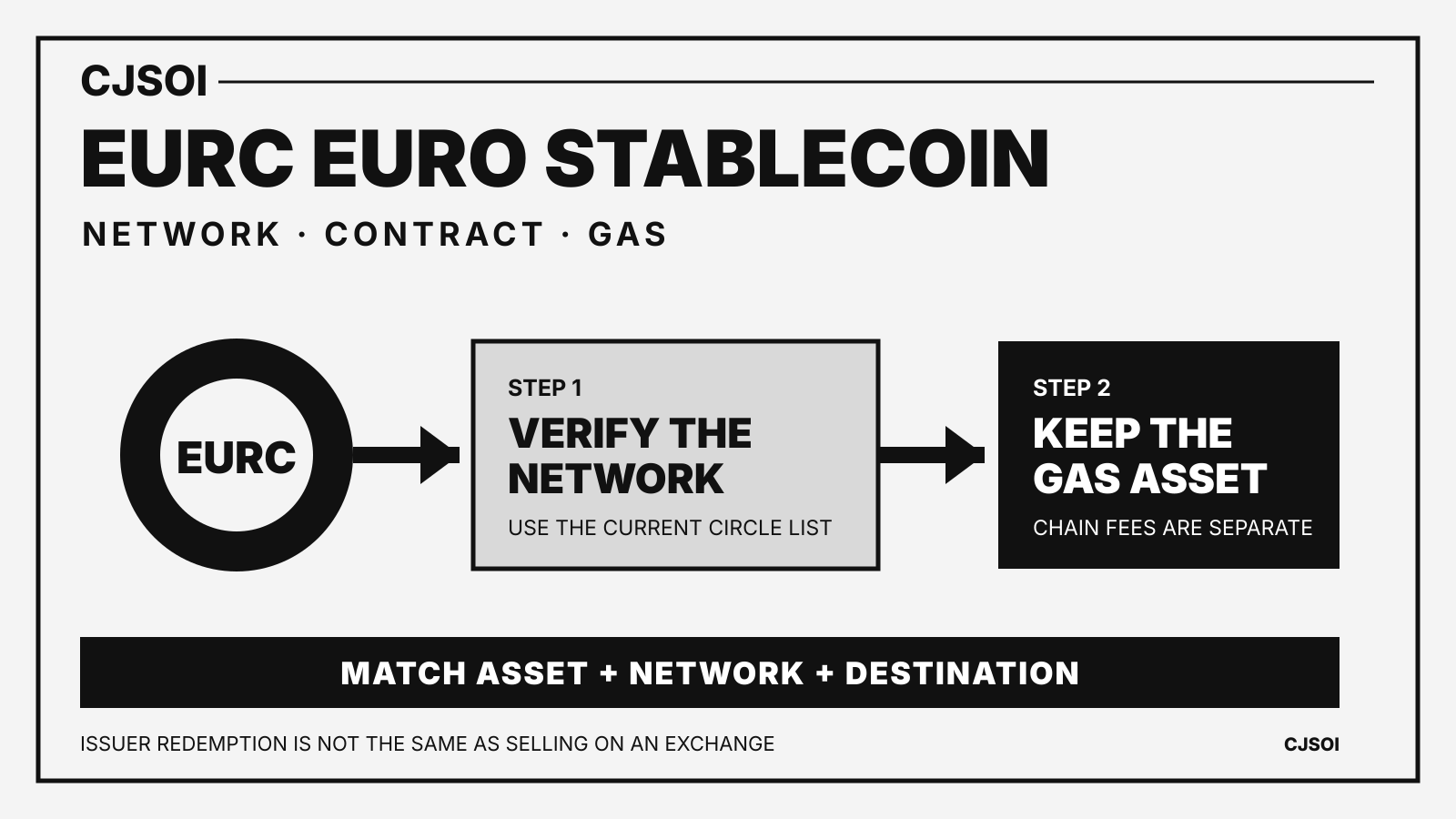
Diagram for sending EURC: verify the network against Circle's current list, keep the chain's gas asset for fees, and match asset, network and destination; issuer redemption differs from selling on an exchange
EURC ·

EURC and Euro Stablecoins: Networks, Fees and Redemption

How to send EURC: match the token and network, keep gas funds, and understand MiCA redemption.
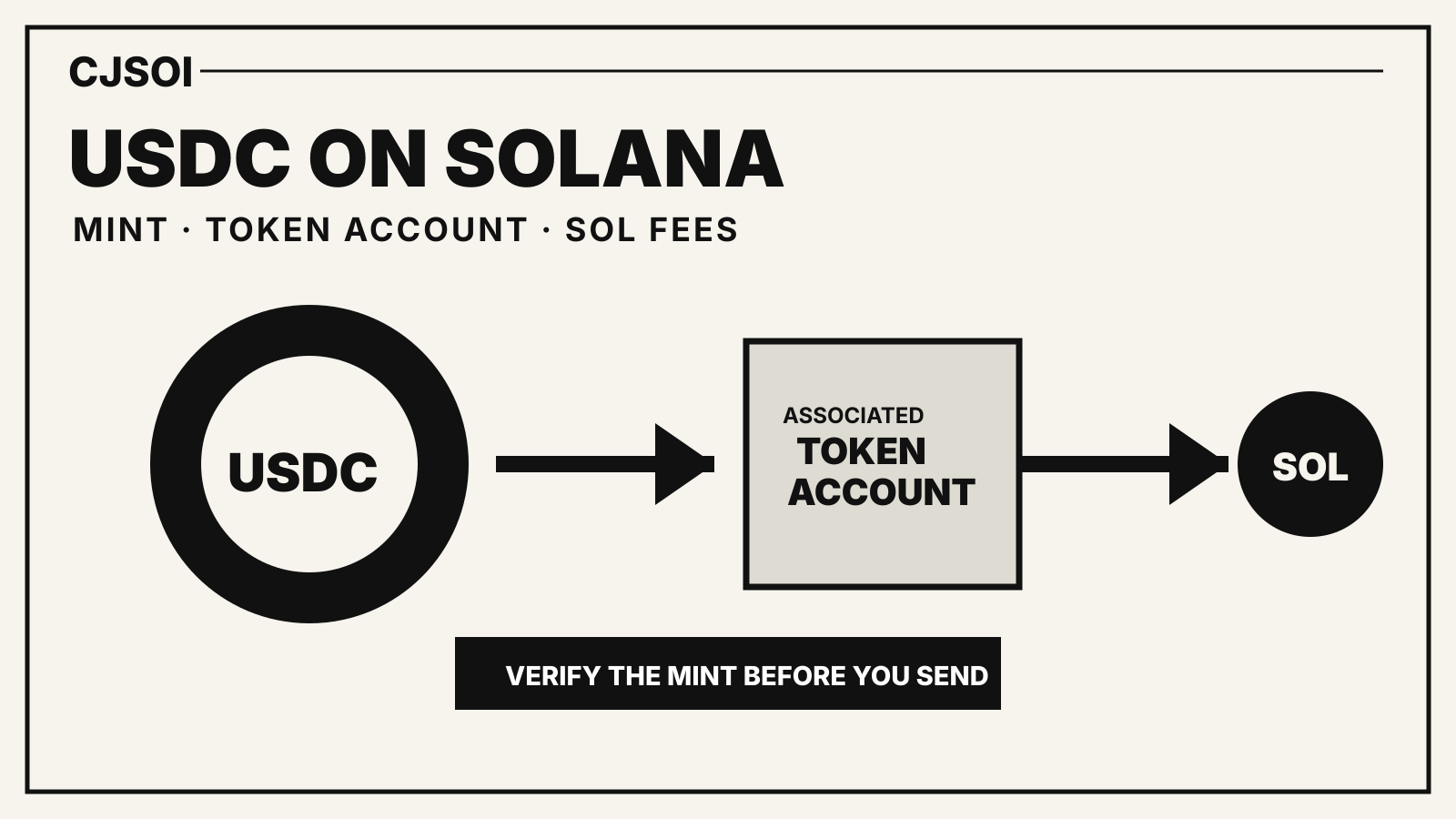
USDC on Solana diagram: the Solana network, Circle's native USDC mint and the recipient's associated token account, with SOL paying the network fee
USDC ·

USDC on Solana: Mint, Token Accounts and SOL Fees

How native USDC works on Solana: verify the mint, understand token accounts, keep SOL for fees and avoid network errors.
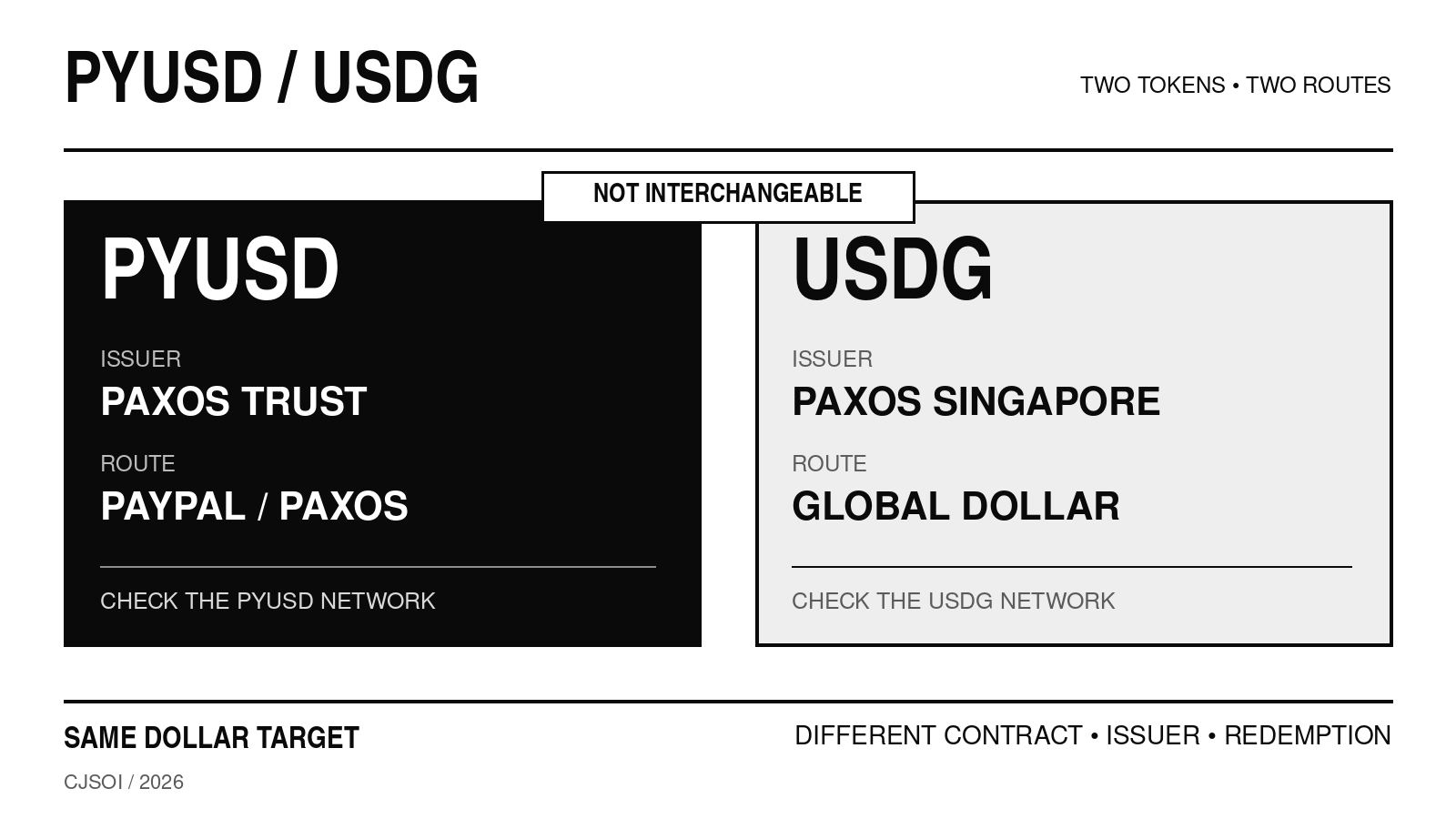
Monochrome PYUSD and USDG comparison showing separate issuers, product routes and network checks
PYUSD ·

PYUSD vs USDG: Issuers, Networks and Redemption

PYUSD and USDG share a dollar target but differ in issuer, networks, product access and direct redemption routes.
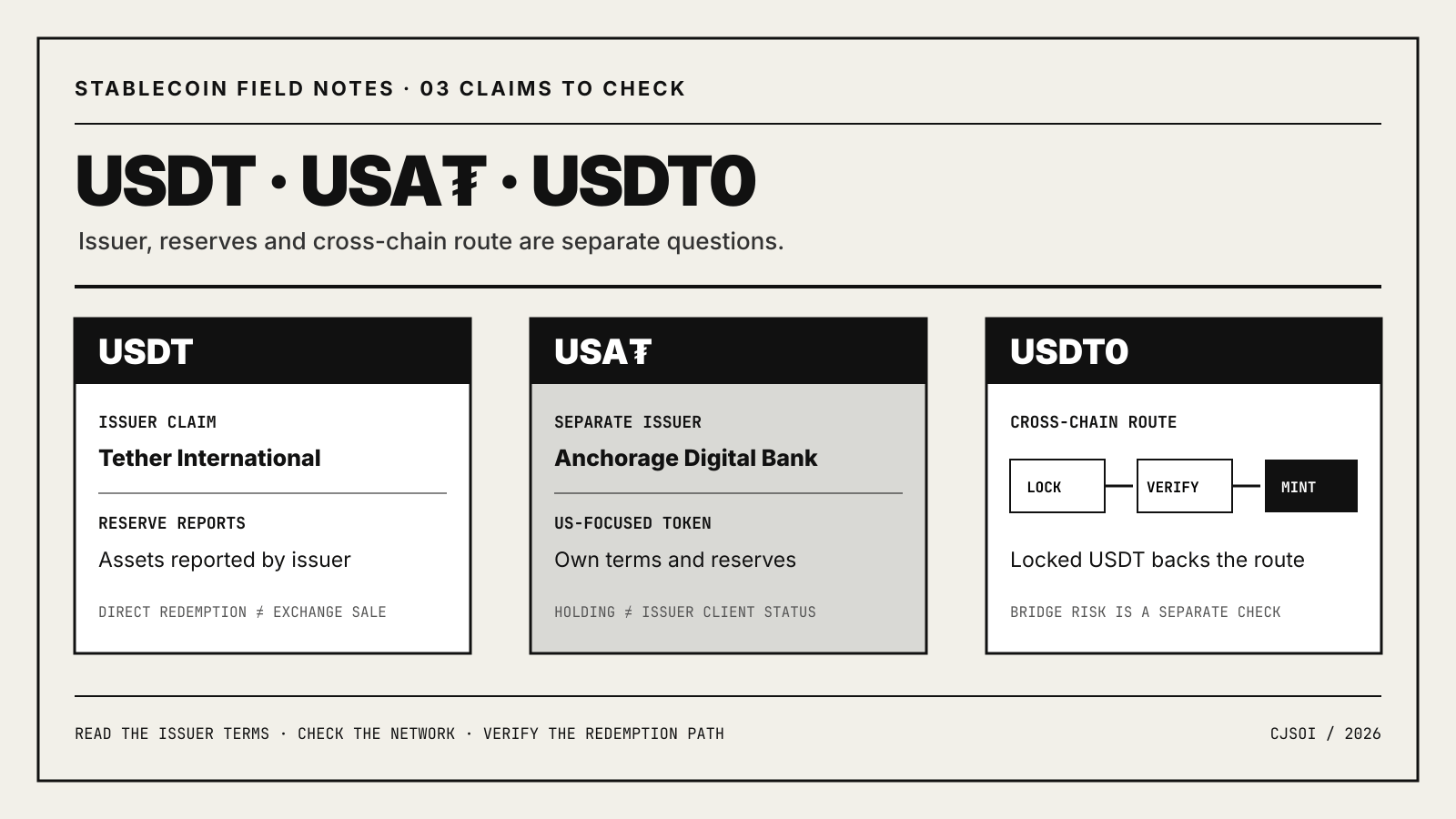
Monochrome comparison diagram of USDT, USA₮ and USDT0 showing issuer, redemption route and cross-chain bridge path
Stablecoins ·

USDT vs USA₮ vs USDT0: Issuer, Redemption and Bridge Risk

USDT, USA₮ and USDT0 share a dollar target but differ in issuer, redemption rights and cross-chain risk.
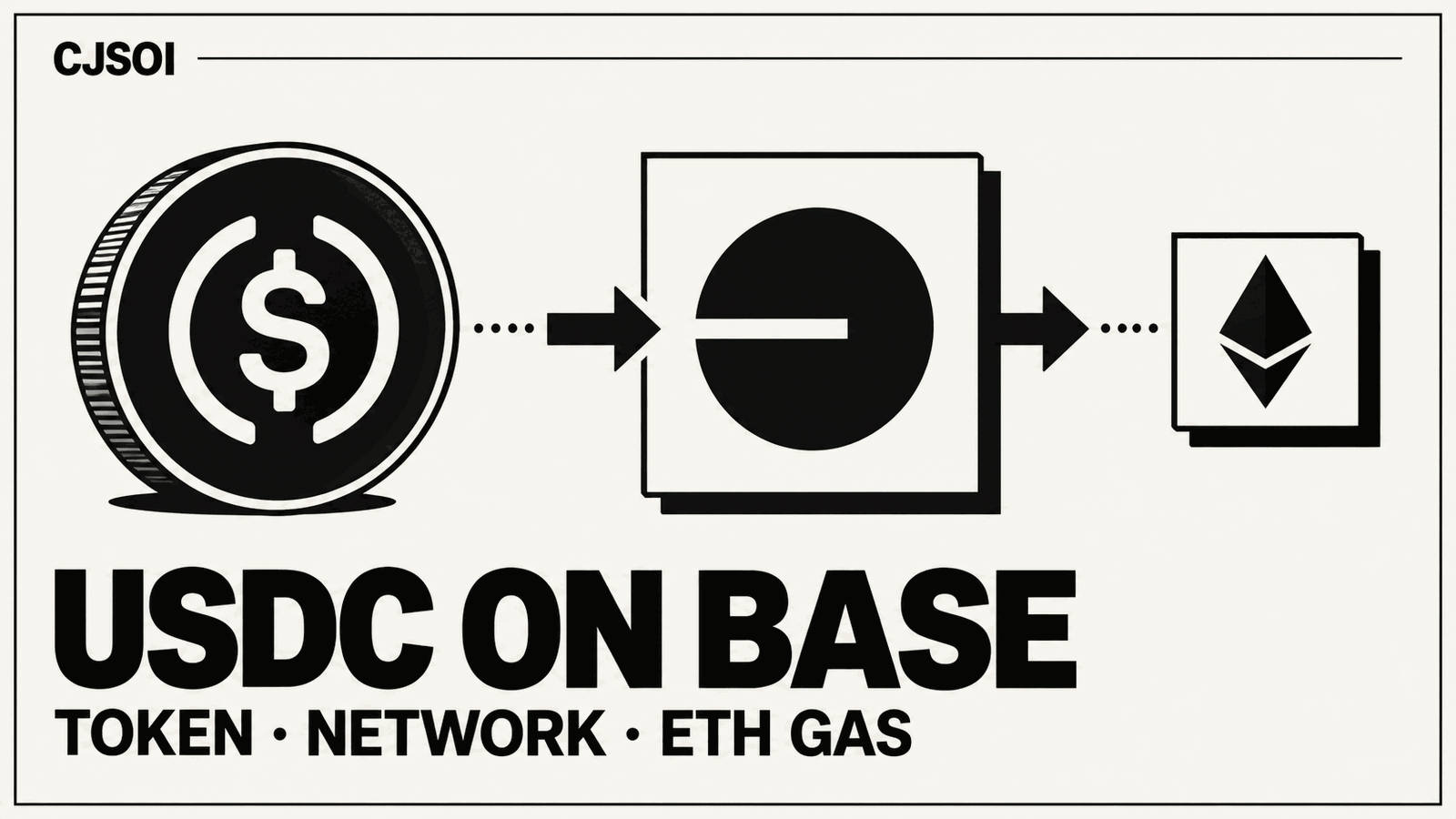
Monochrome USDC on Base transfer diagram showing the token, network route and ETH gas requirement.
USDC ·

USDC on Base: How to Send It and Pay Gas in ETH

How to send USDC on Base, verify the contract and network, keep ETH for gas, and avoid unsupported deposits.
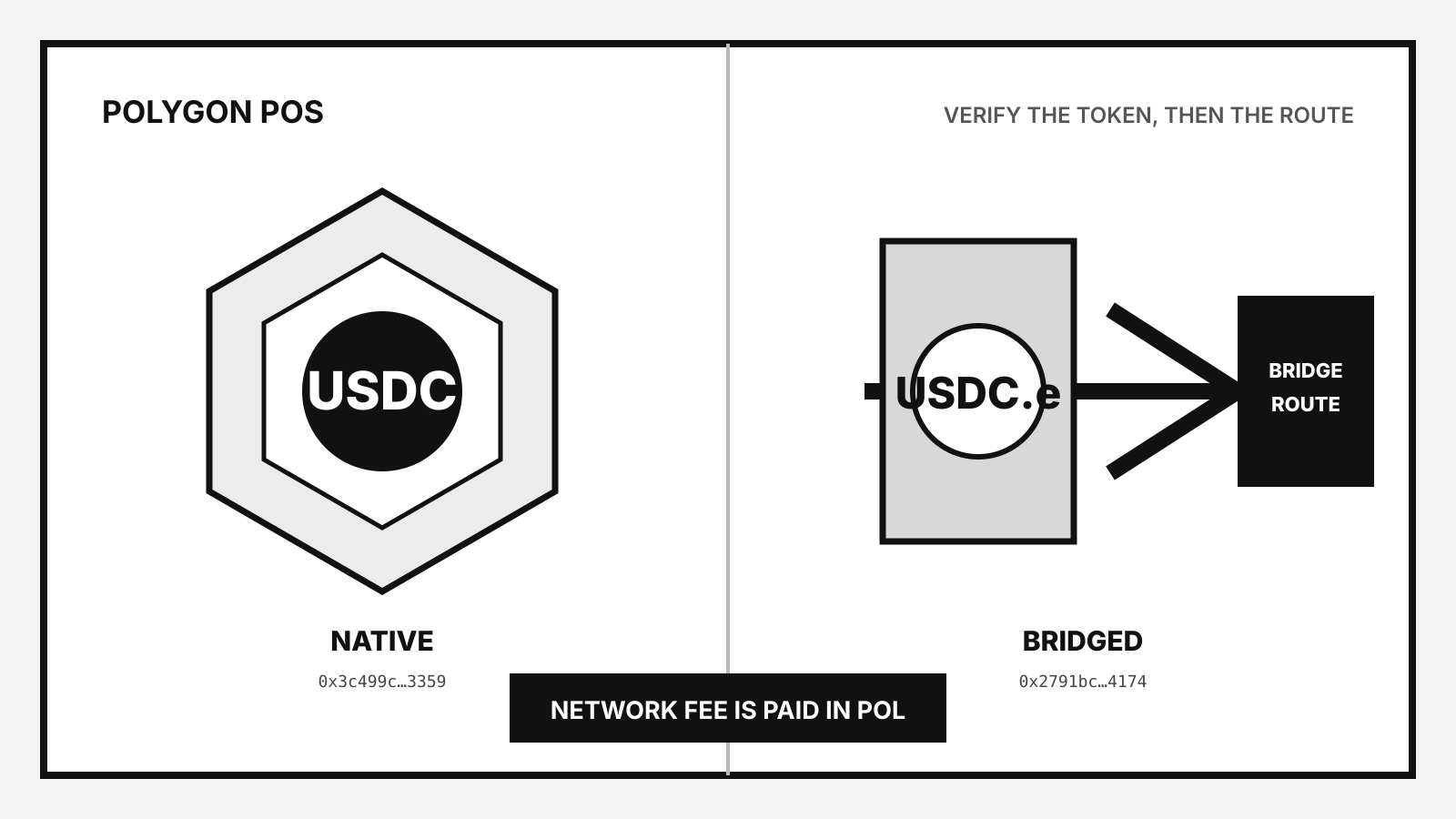
Native USDC and bridged USDC.e shown as separate Polygon PoS routes with their contract checks
USDC ·

USDC on Polygon: Native USDC vs USDC.e

Check native USDC, USDC.e, Polygon PoS gas in POL and destination support before sending.
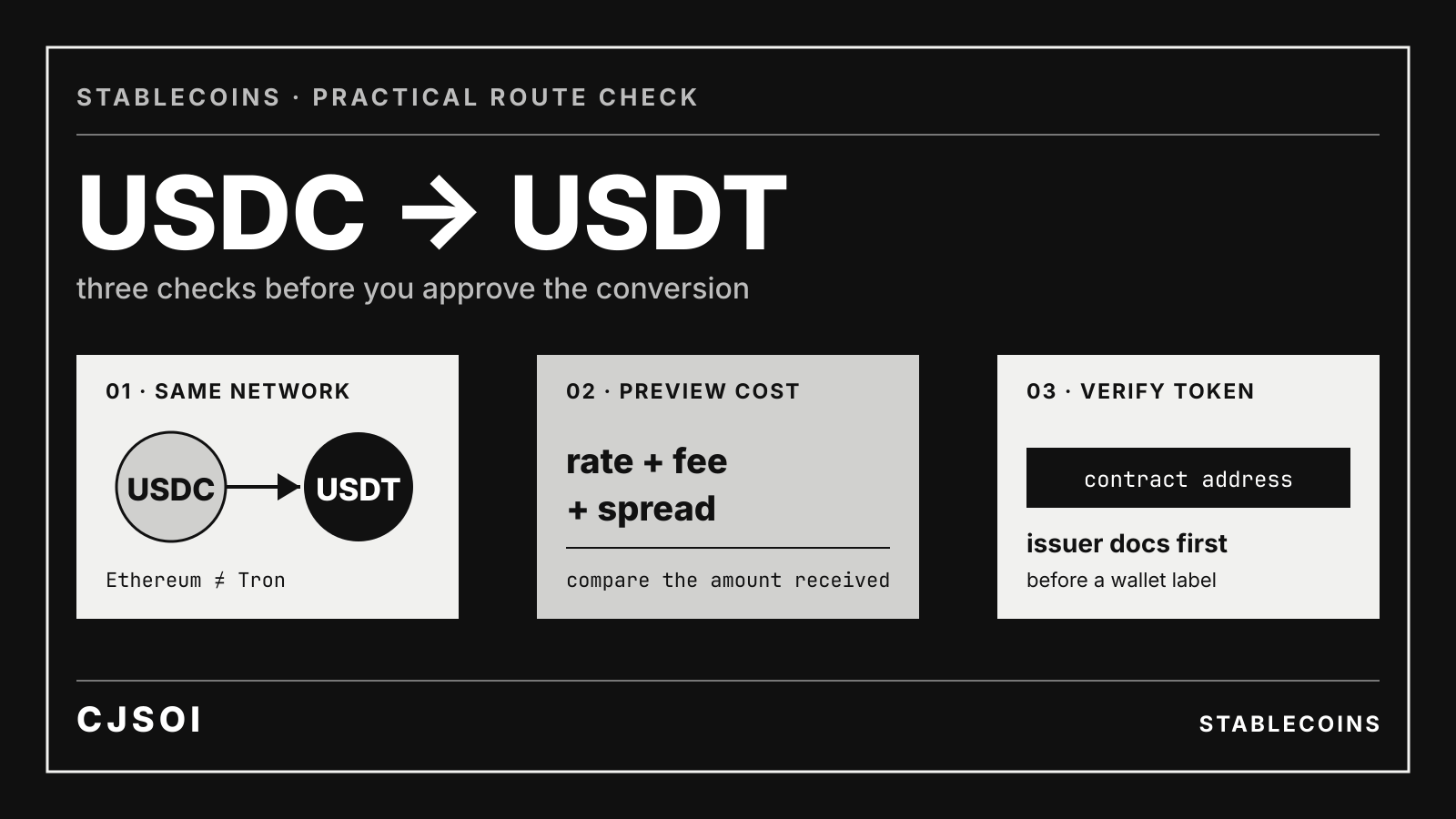
USDC to USDT conversion checklist: same network, previewed costs and verified contract address
USDC ·

USDC to USDT: How to Convert Without Mixing Networks

A practical USDC-to-USDT checklist for exchange conversions, wallet swaps, fees and network matching.
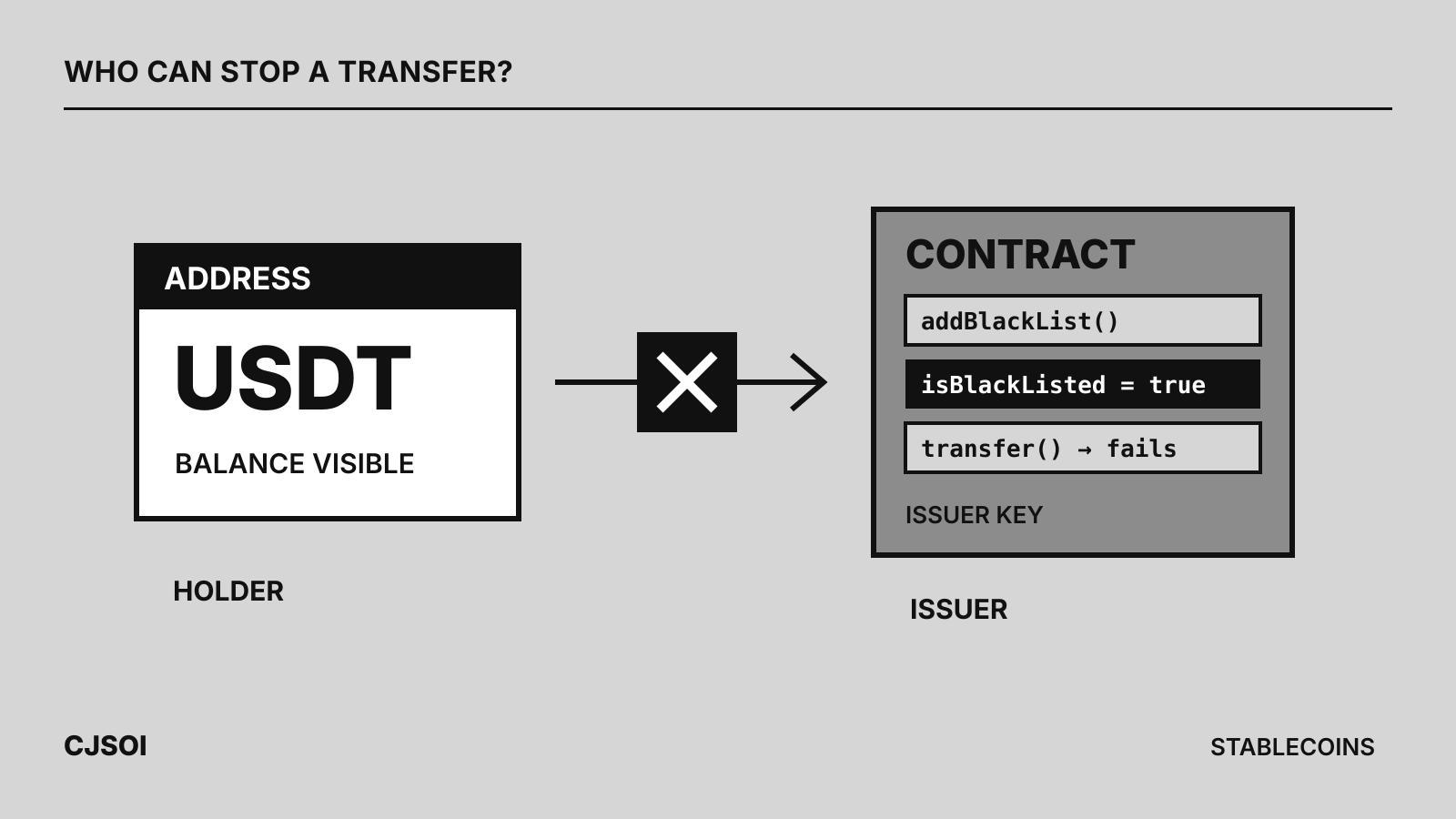
A USDT address with a visible balance, blocked by an issuer blocklist entry in the token contract.
Stablecoins ·

Can USDT Be Frozen? What Tether and Circle's Terms Allow

Yes, and so can USDC. The power sits in the issuers' terms and in the token contracts themselves.
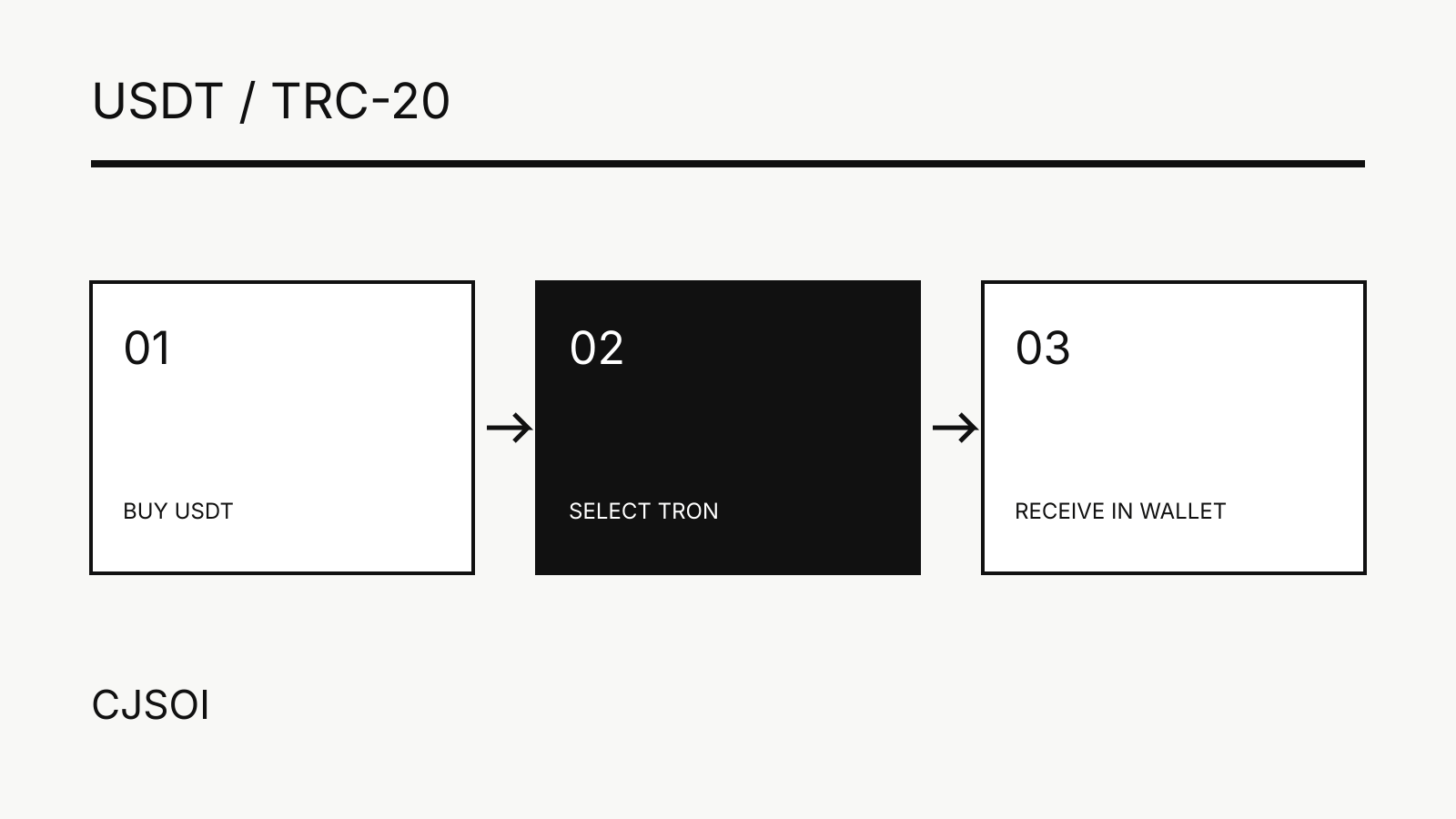
An exchange purchase followed by a network choice and a TRON wallet receipt
Stablecoins ·

How to Buy USDT TRC20 and Withdraw It on TRON

Buy USDT where TRON is a withdrawal network, then withdraw it on TRON: steps, holds, fees and the TRX you need next.
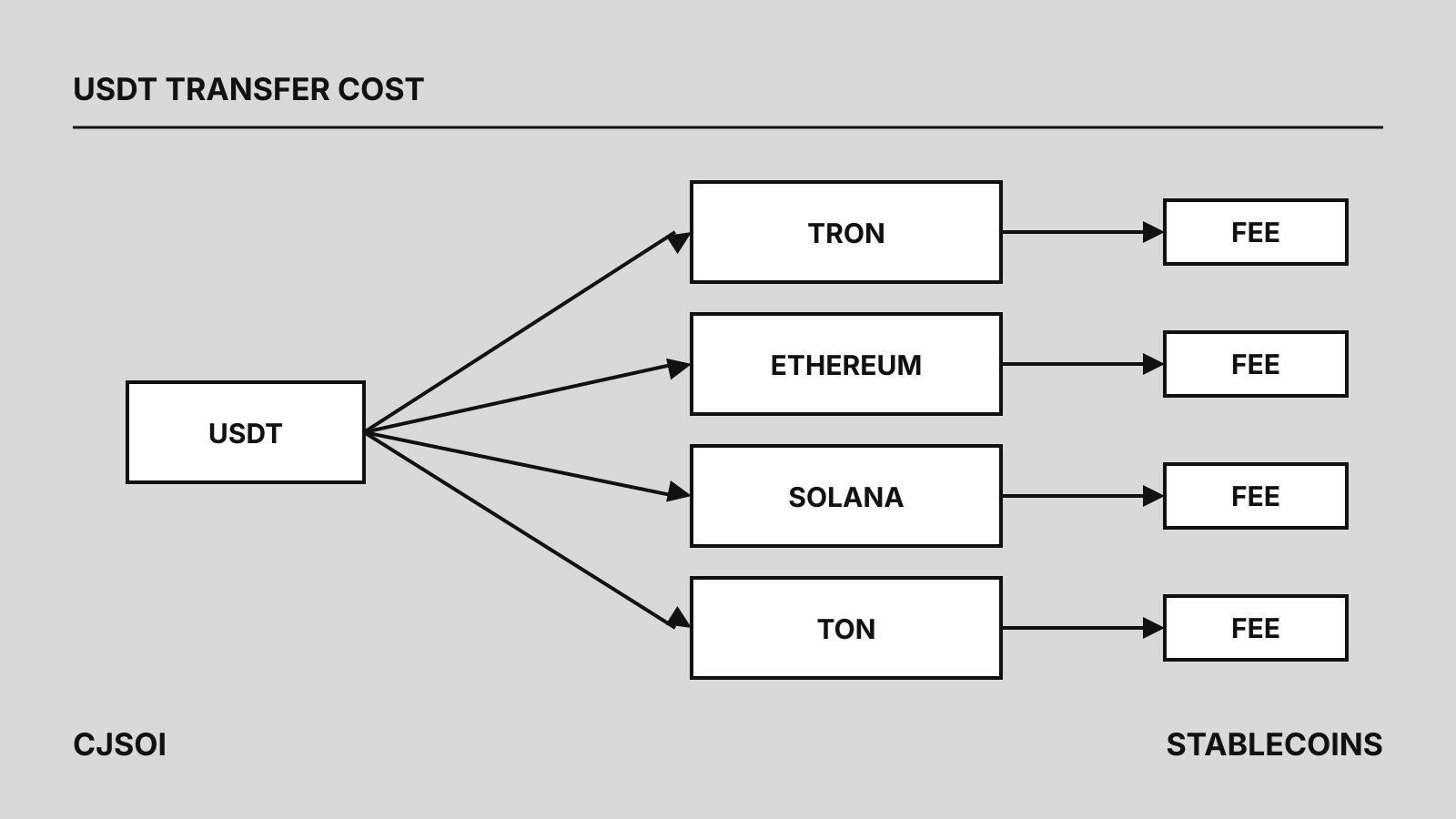
Line diagram: a USDT box on the left with arrows to four network boxes, TRON, Ethereum, Solana and TON, each leading to a box labeled fee.
USDT ·

Cheapest Way to Send USDT: Network Fees on TRON, Ethereum, Solana and TON

USDT network fees on TRON, Ethereum, Solana and TON, checked November 8, 2026.
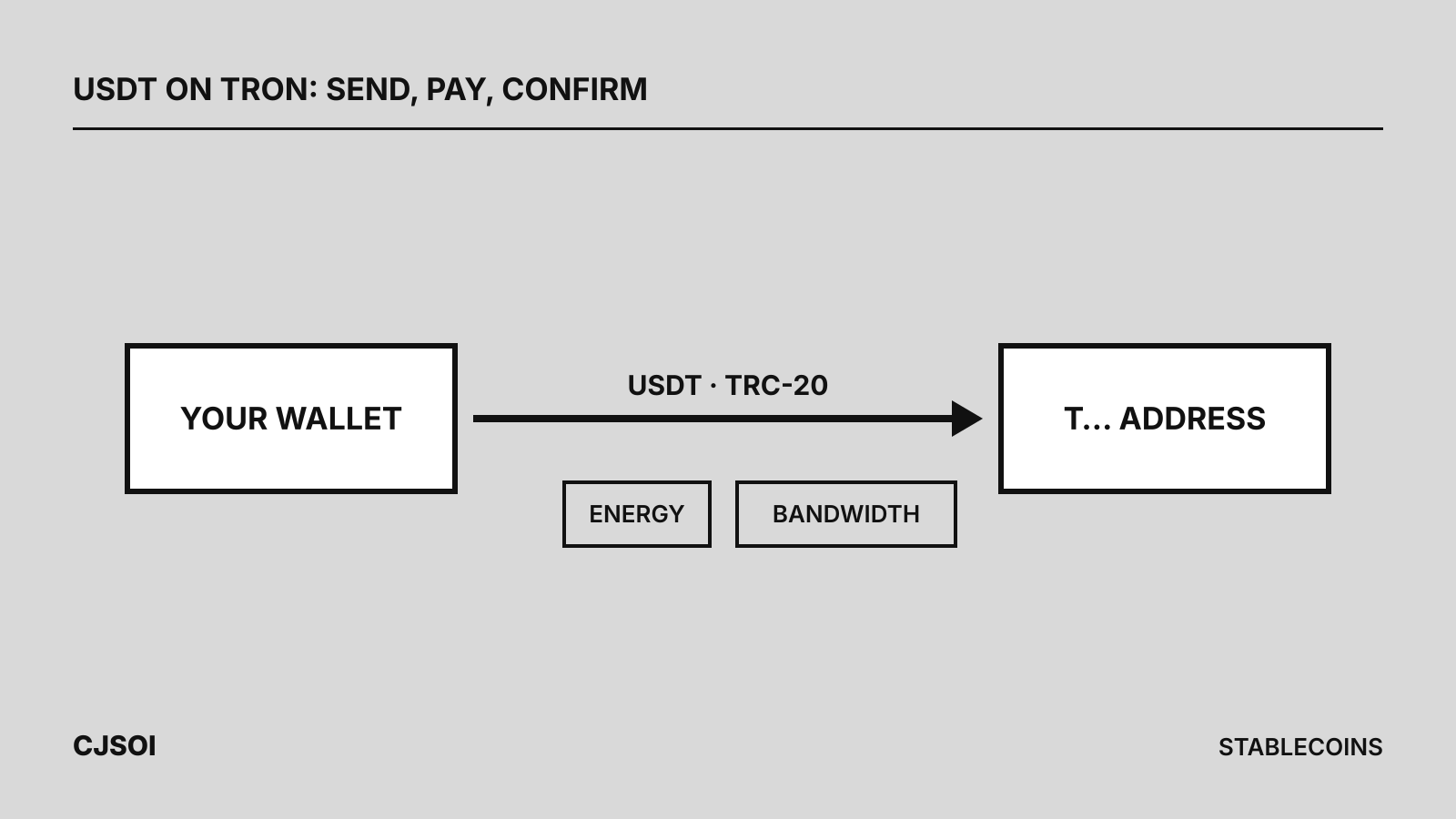
A wallet sending USDT over TRC-20 to a T address, using energy and bandwidth
USDT ·

How to Send USDT on TRON (TRC-20): Steps, Fees, Mistakes

How to send USDT on TRON from a wallet or an exchange, what it costs in TRX and how to avoid losses.
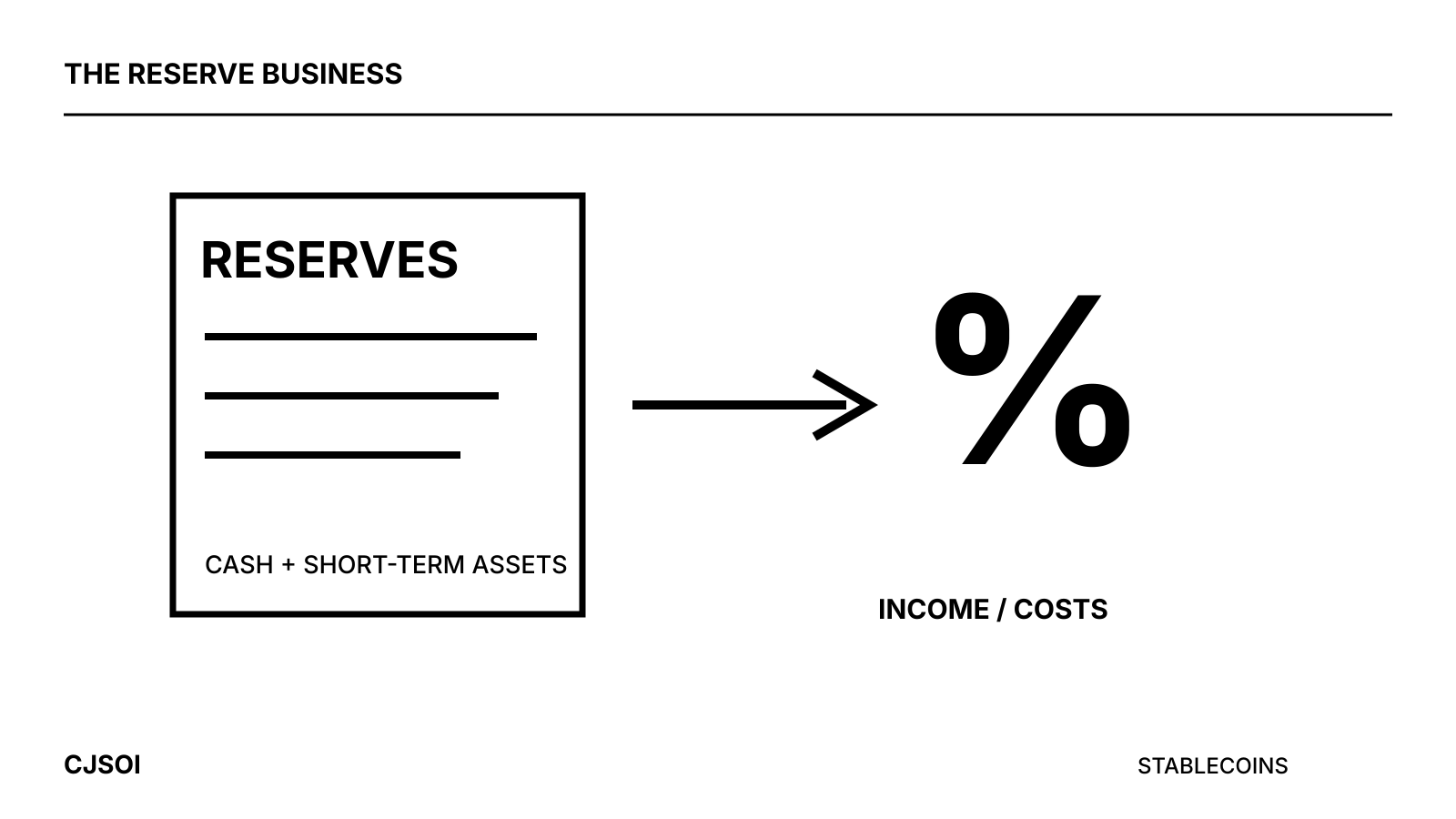
Reserve assets connected to interest income and costs
Stablecoins ·

How Stablecoin Issuers Make Money

How stablecoin issuers make money: reserve income, distribution costs and interest-rate exposure.
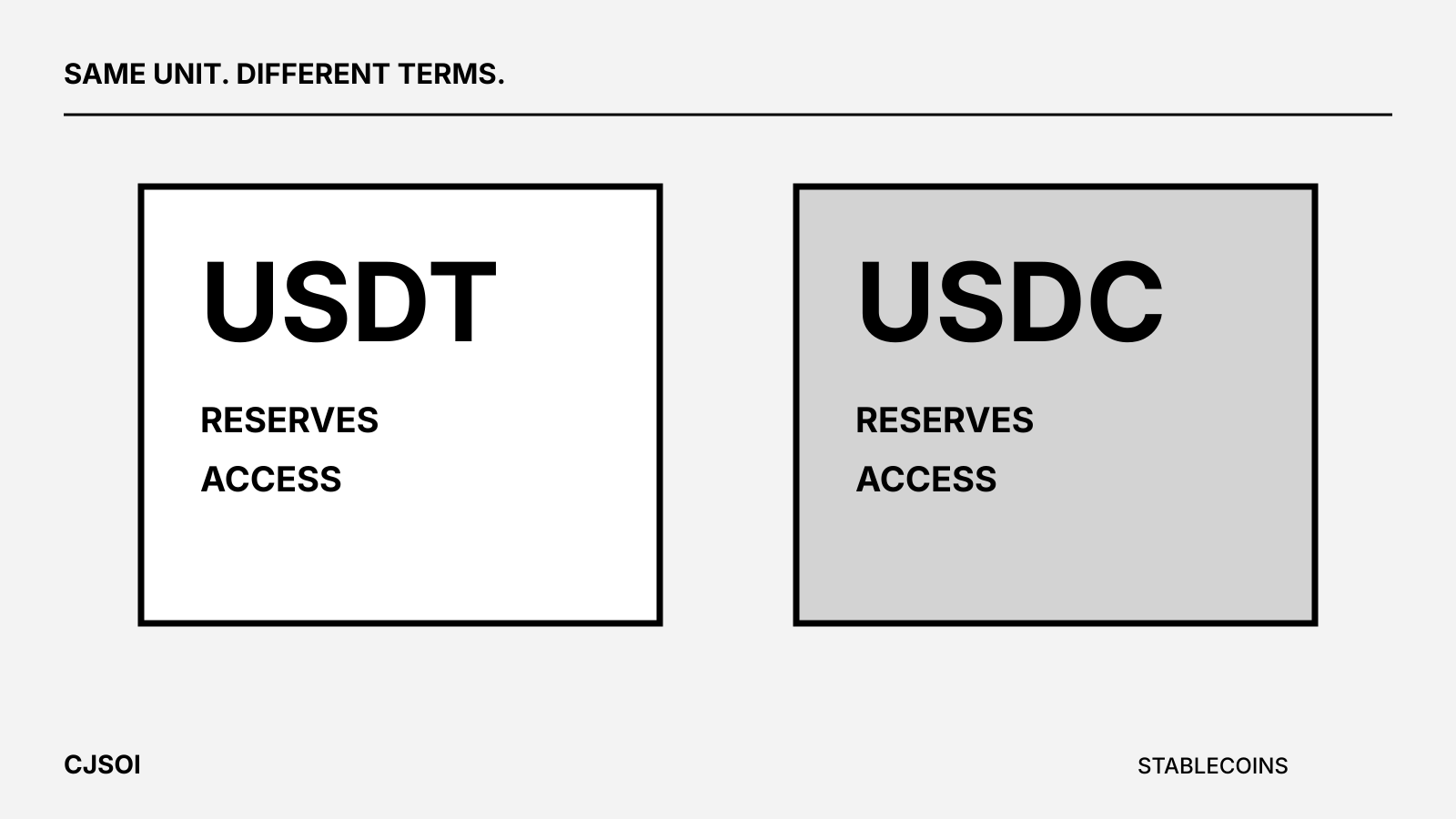
USDT and USDC compared through reserves and access
Stablecoins ·

USDT vs USDC: Reserves, Redemption and Access

USDT vs USDC compared side by side: issuers, regulation, reserves, who can redeem, networks, and whether USDC is safe.
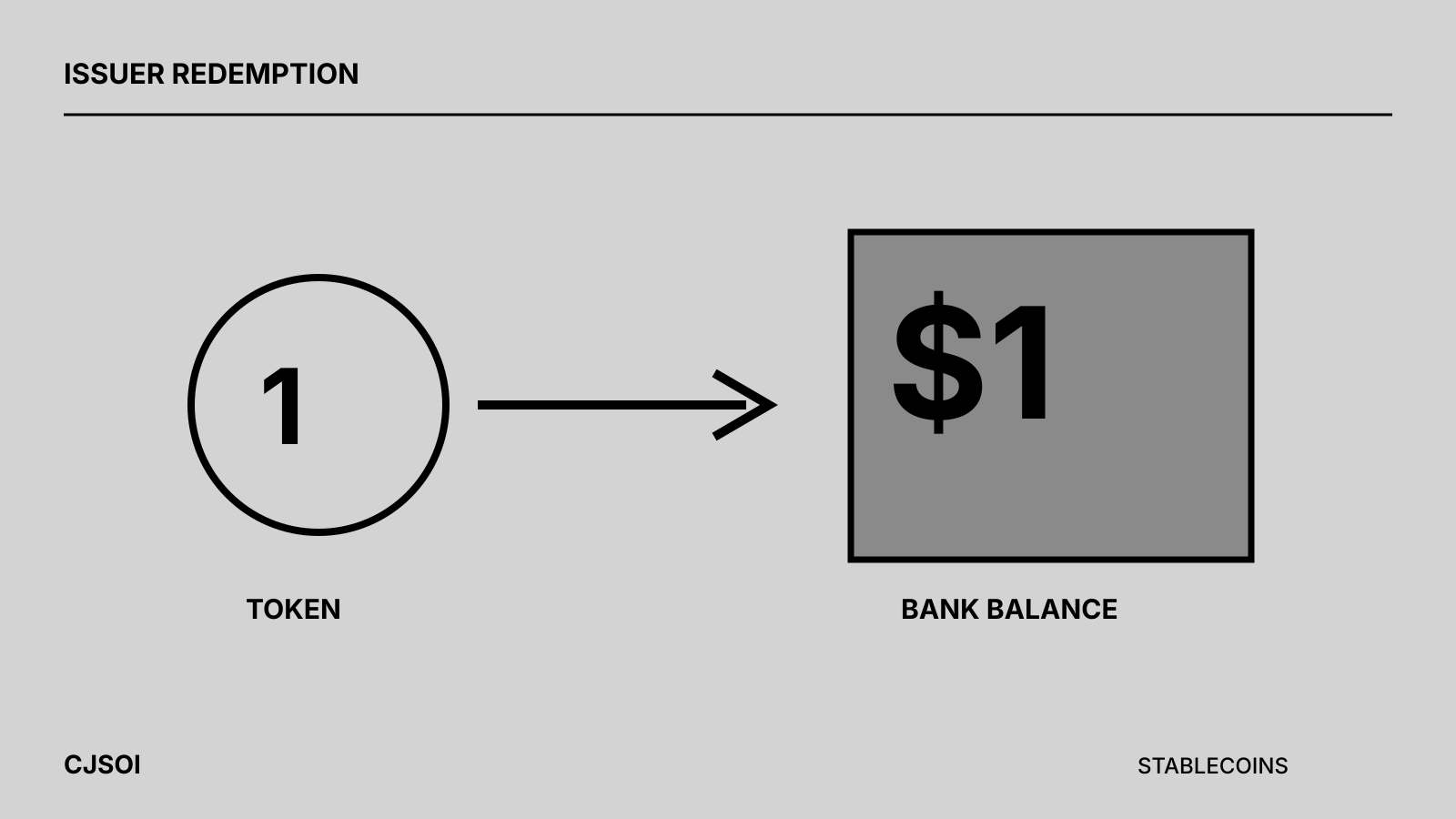
A stablecoin token exchanged for a dollar bank balance
Stablecoins ·

What Happens When You Redeem a Stablecoin?

Selling a token and redeeming it with its issuer are different transactions. Here is where the dollars come from.

CJSOI

What are you looking for?

Search by headline, topic or keyword.