
Stablecoins & Markets
Kim Min-jun
Coverage focuses on reserves, redemption and the flow of money through digital-asset markets.
View articles
Stablecoins, Banking & Blockchain
Search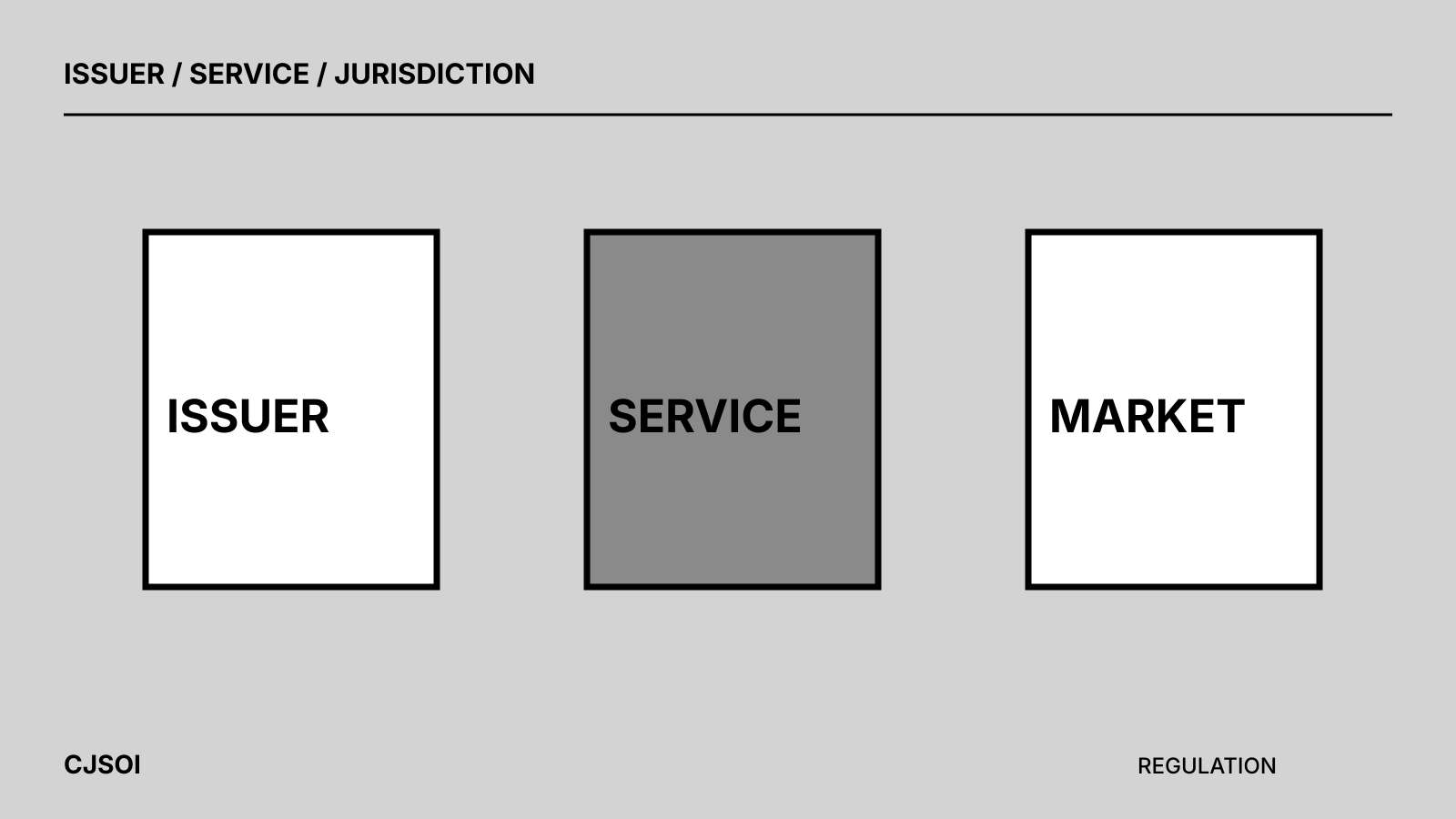
The issuer, the service and the customer's market can fall under different rules and authorities.
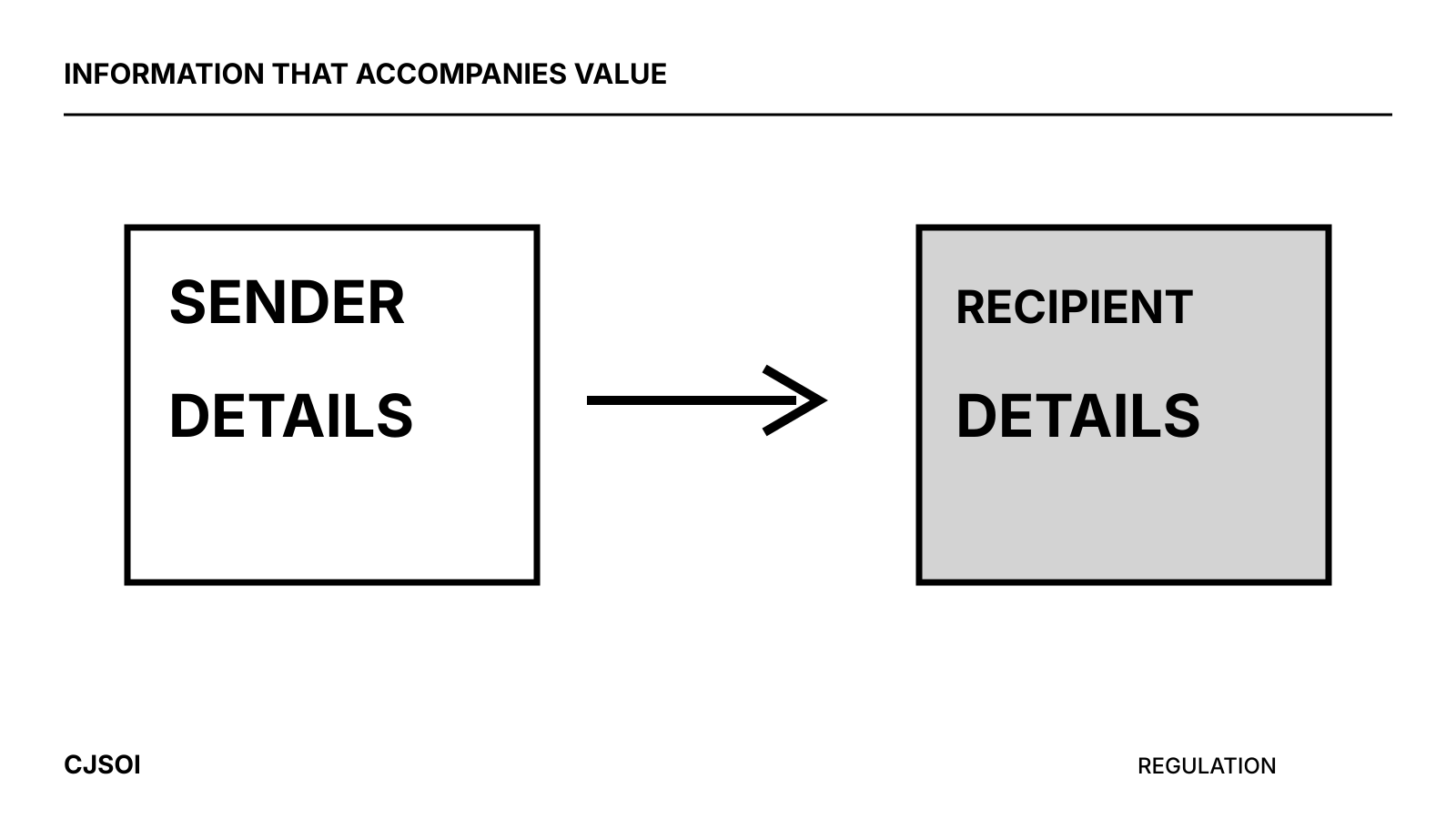
The payment moves on a network. Required sender and recipient information is a separate data process.
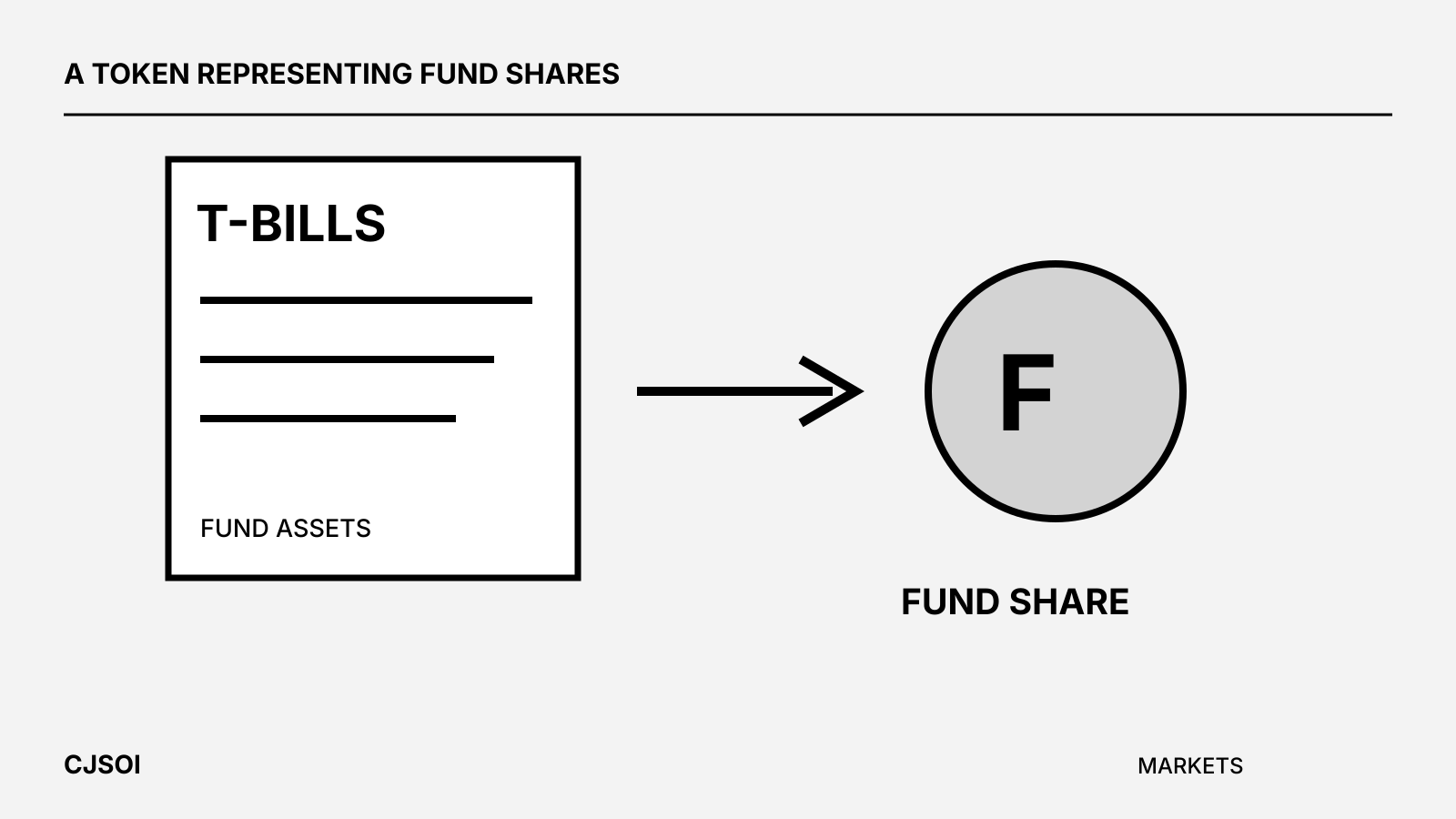
A token can represent a fund share—not a Treasury bill in your wallet and not a payment stablecoin.
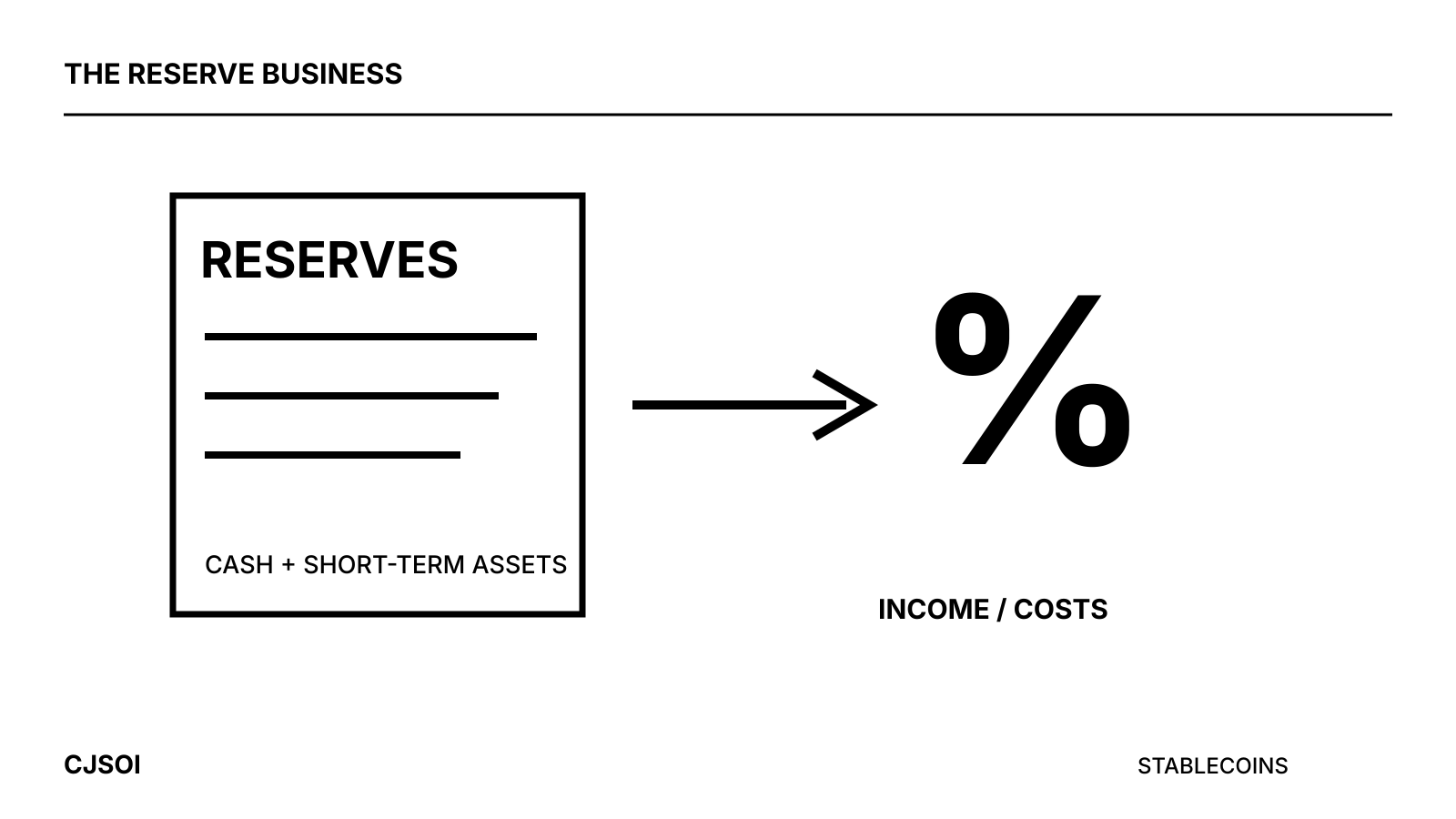
Follow the reserve income, distribution costs and interest-rate exposure behind the stablecoin issuer business.
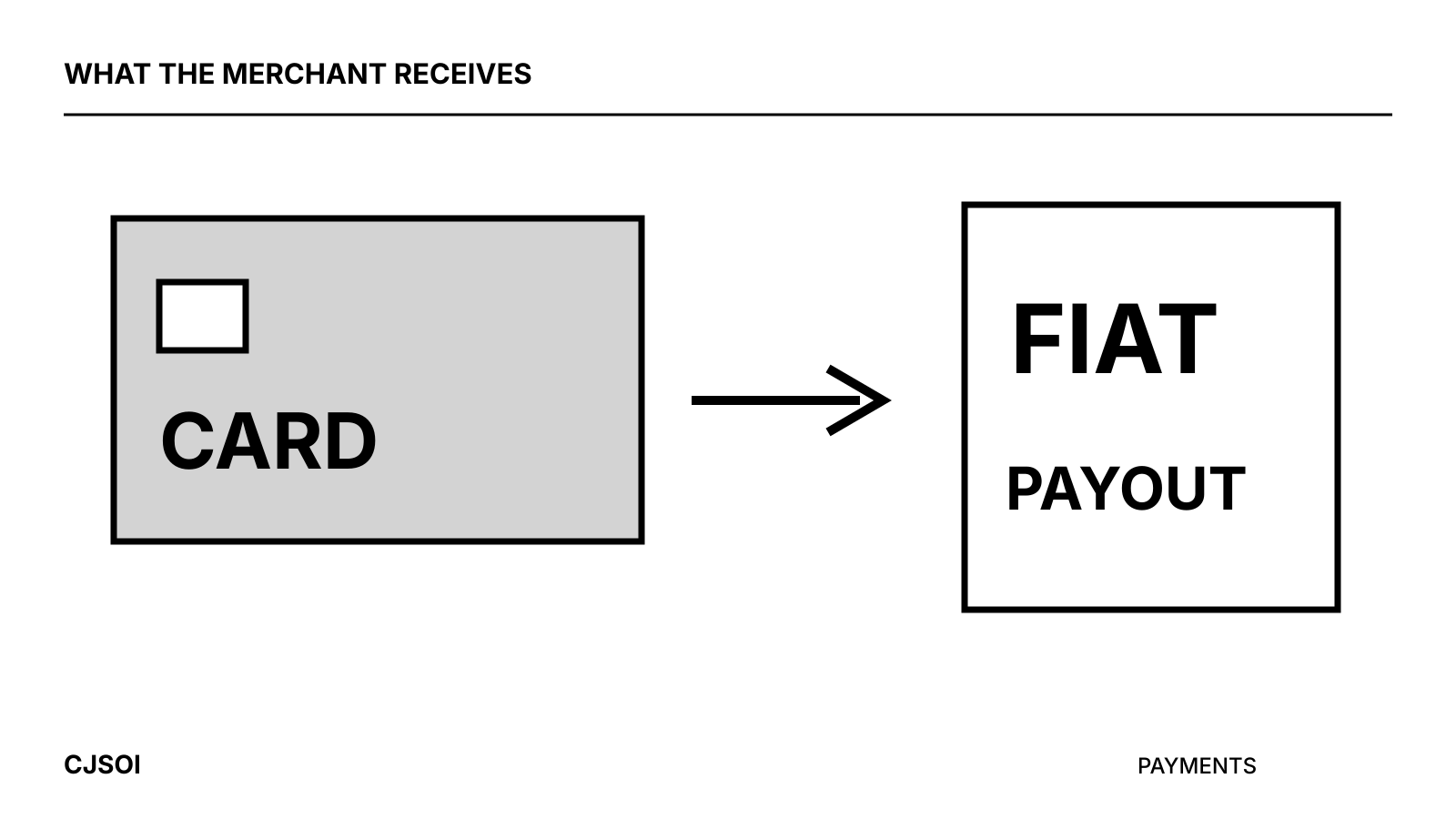
A card funded with stablecoins does not mean the shop receives a blockchain transfer.
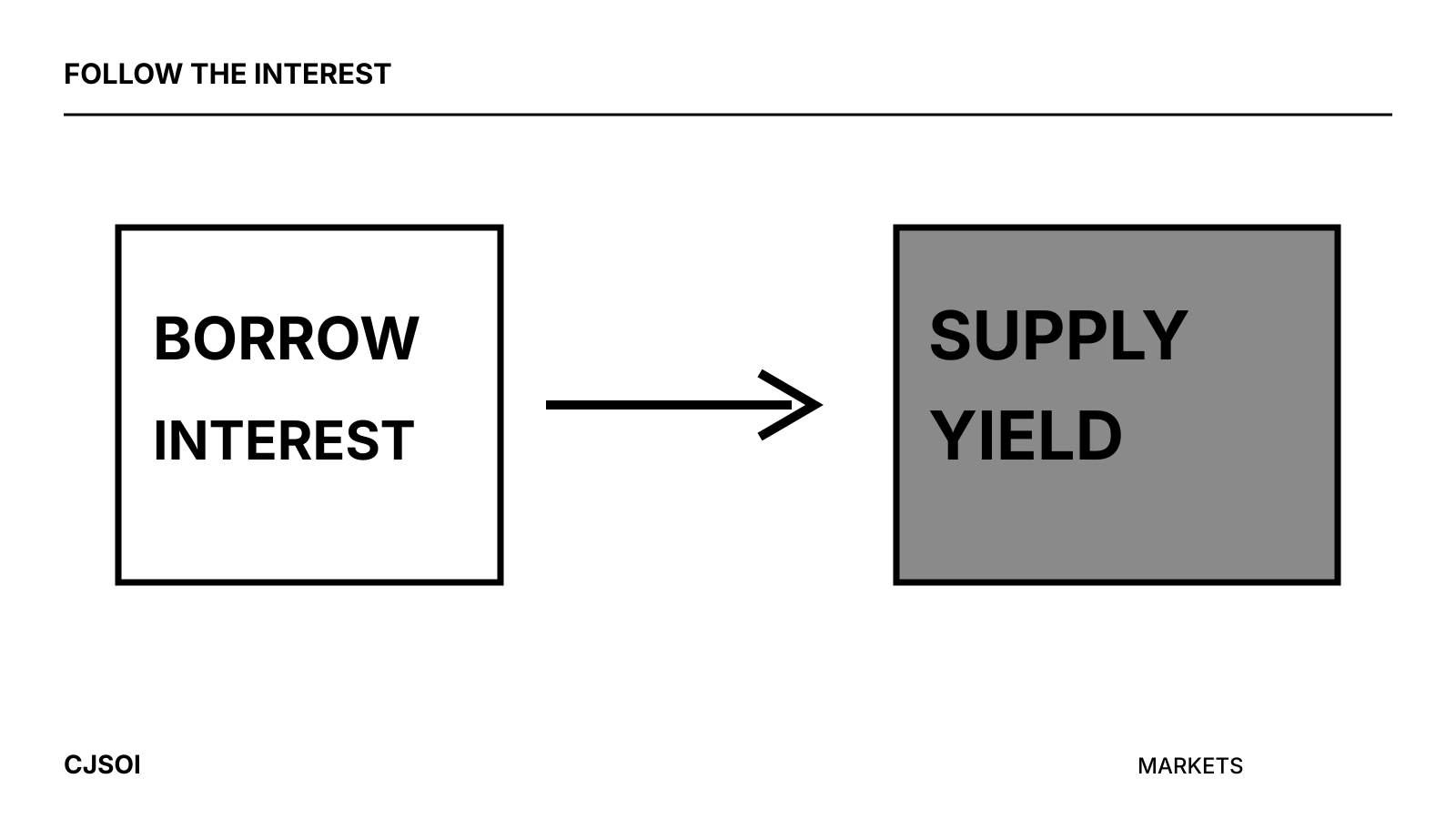
Borrower interest can fund supplier returns. A quoted rate is neither fixed nor a guarantee of withdrawal.
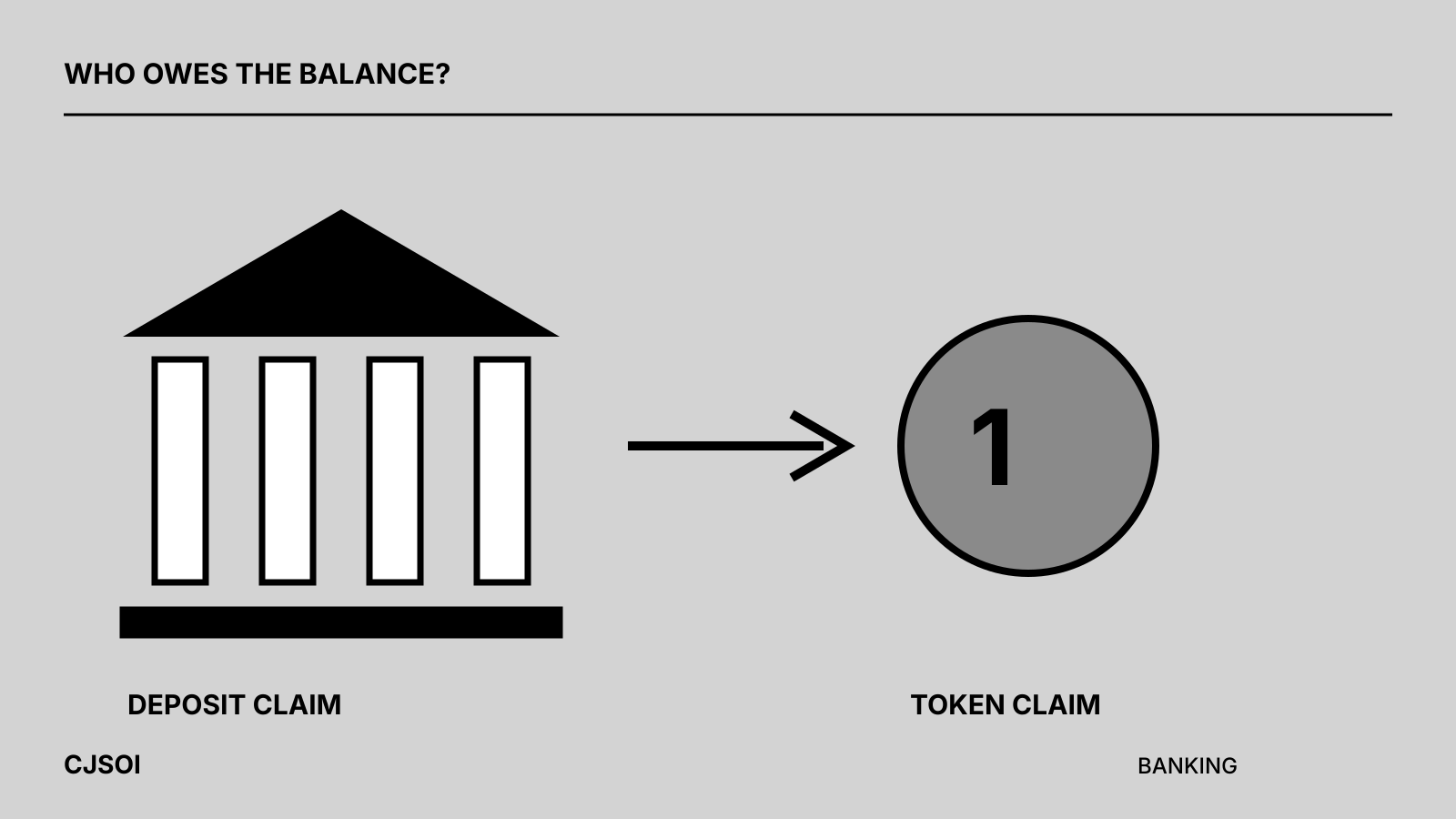
A digital token does not tell you who owes the money. Start with the claim behind it.
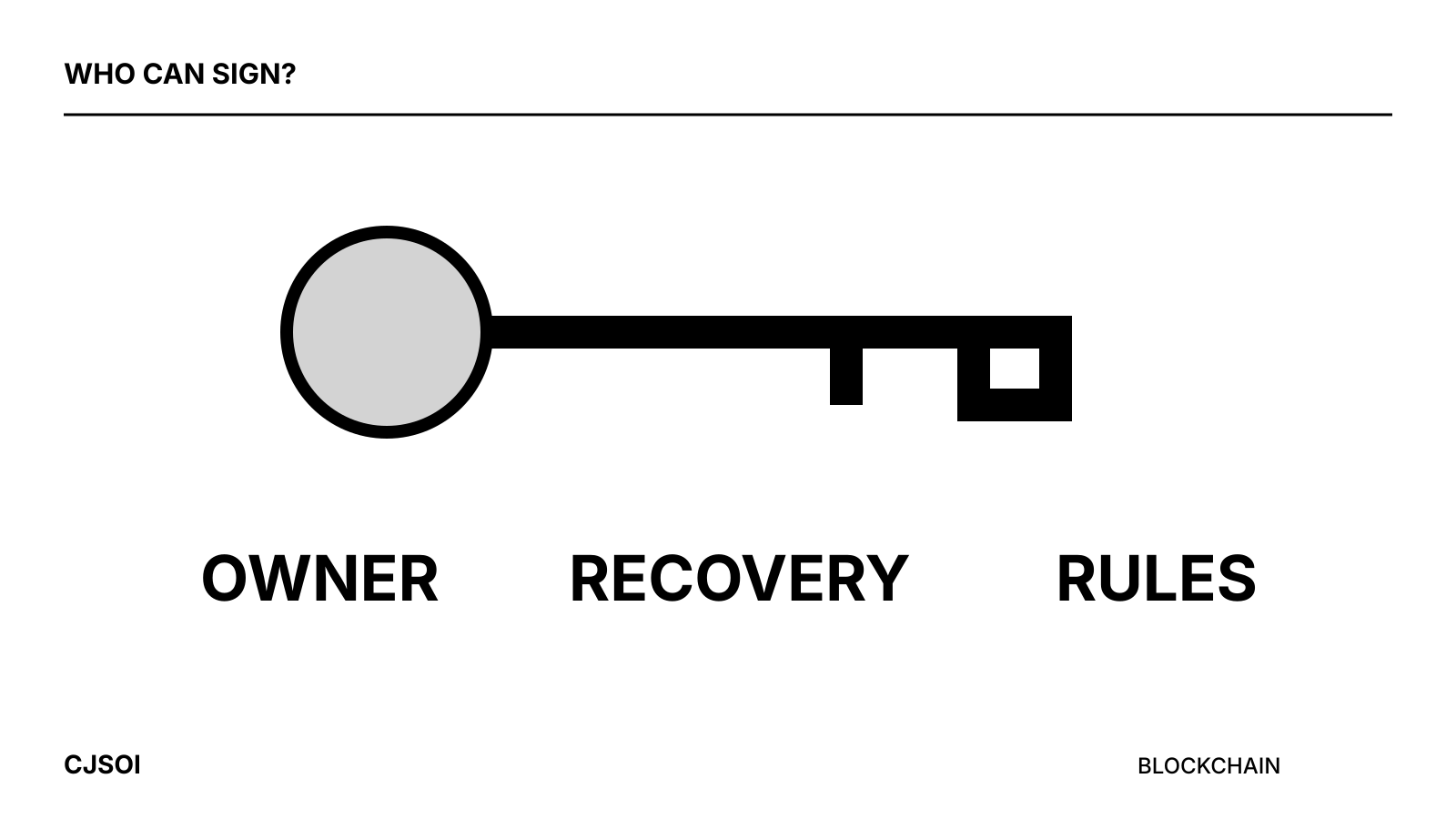
Look beyond the login screen: signing rules, recovery powers and upgrades determine control.
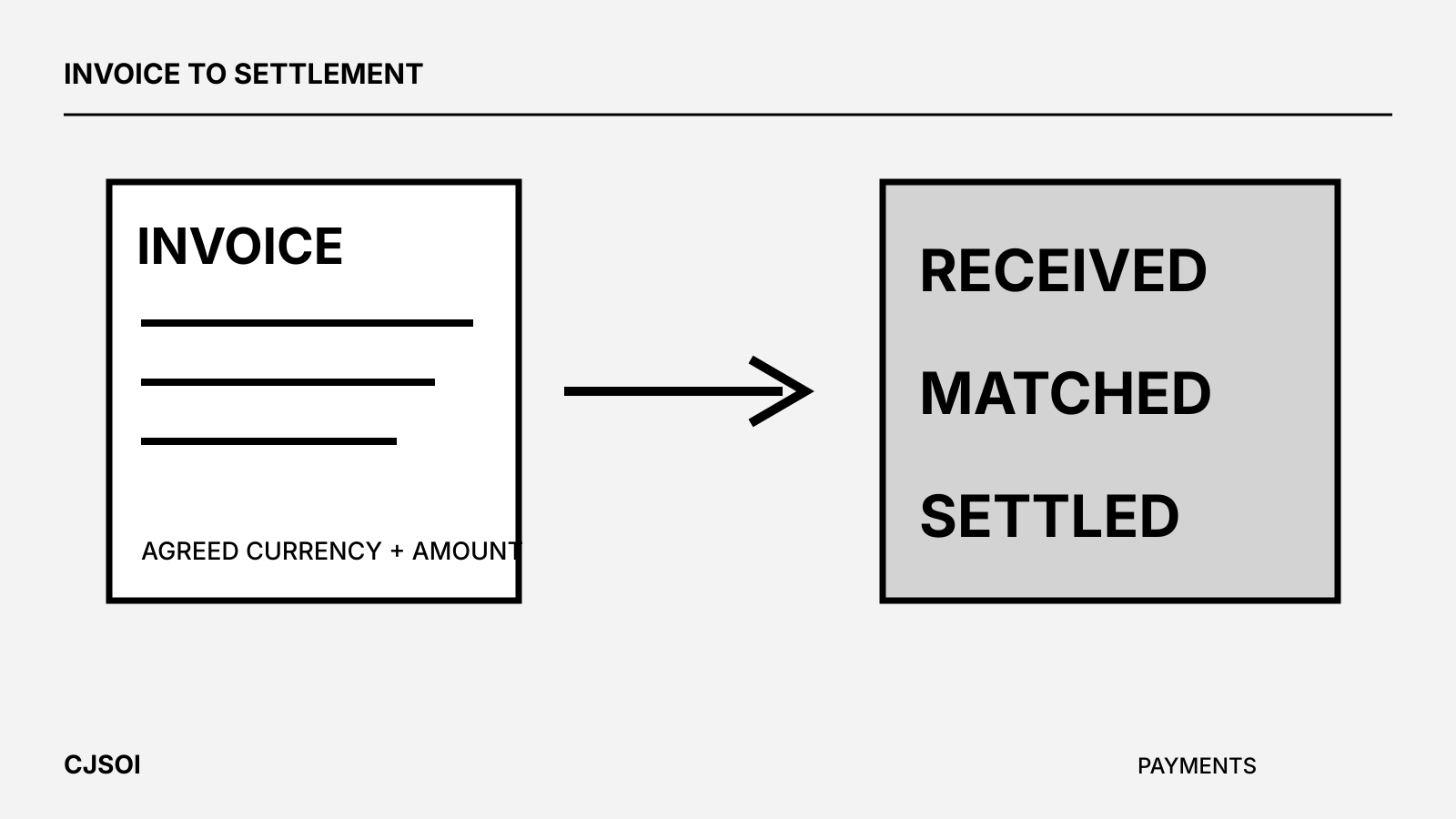
Agree the asset, network and final amount before treating a wallet transfer as a paid invoice.
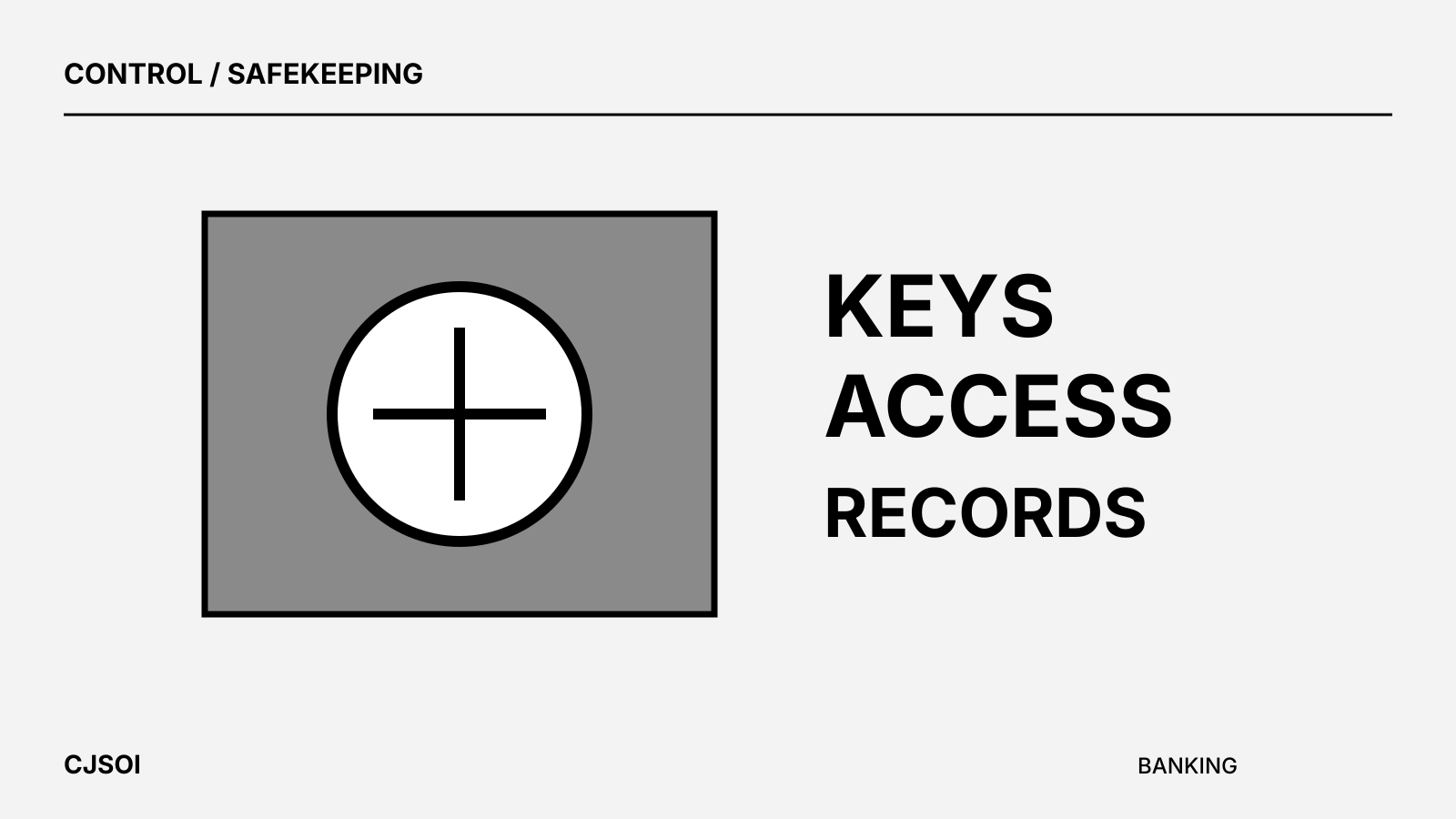
Custody is about authority, records and recovery—not simply putting a key in a vault.
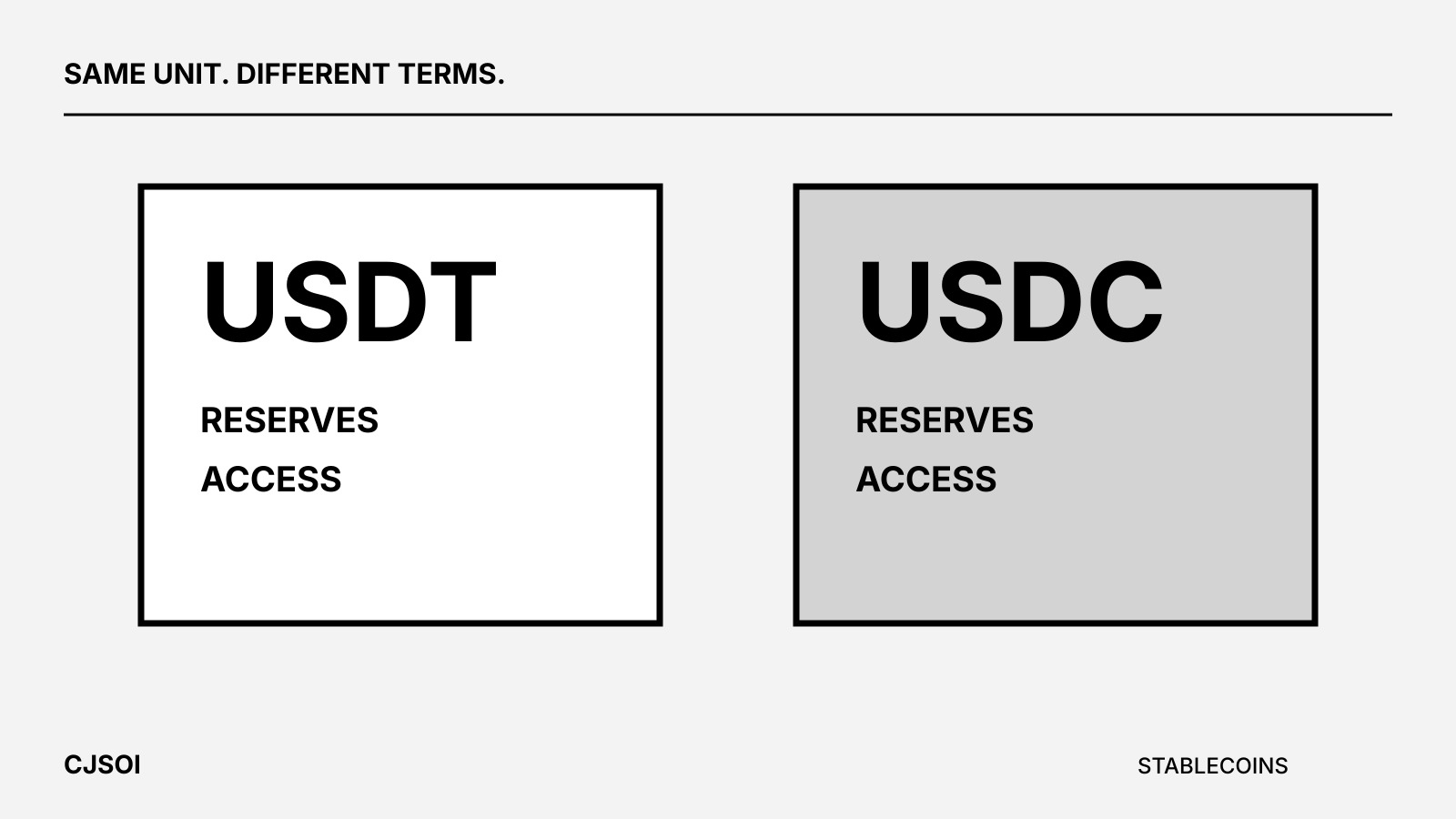
Both target the dollar. Their disclosures, issuer accounts and routes back to cash need separate checks.
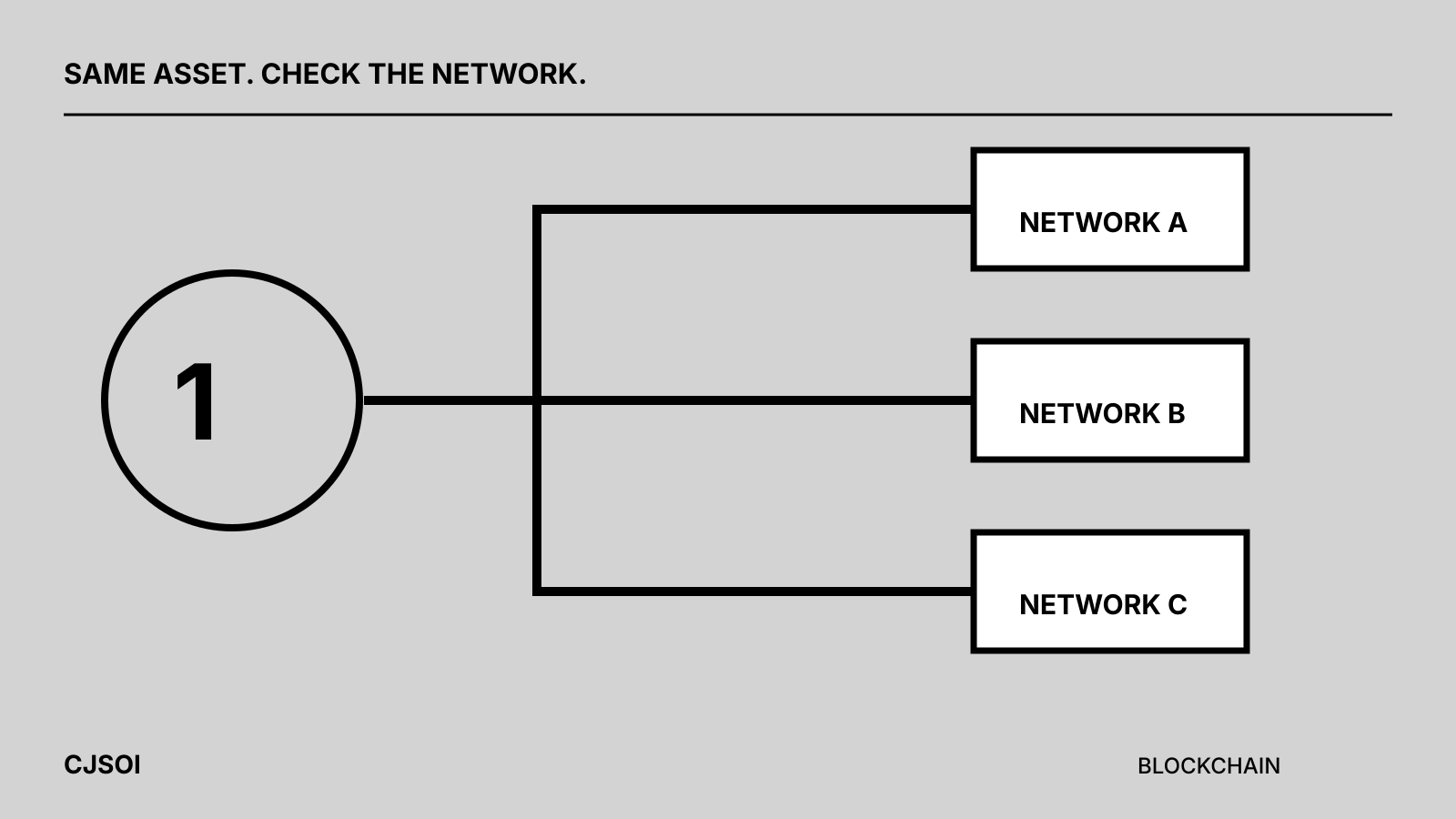
Start with the recipient's supported asset and network. Compare speed and fees only after that.
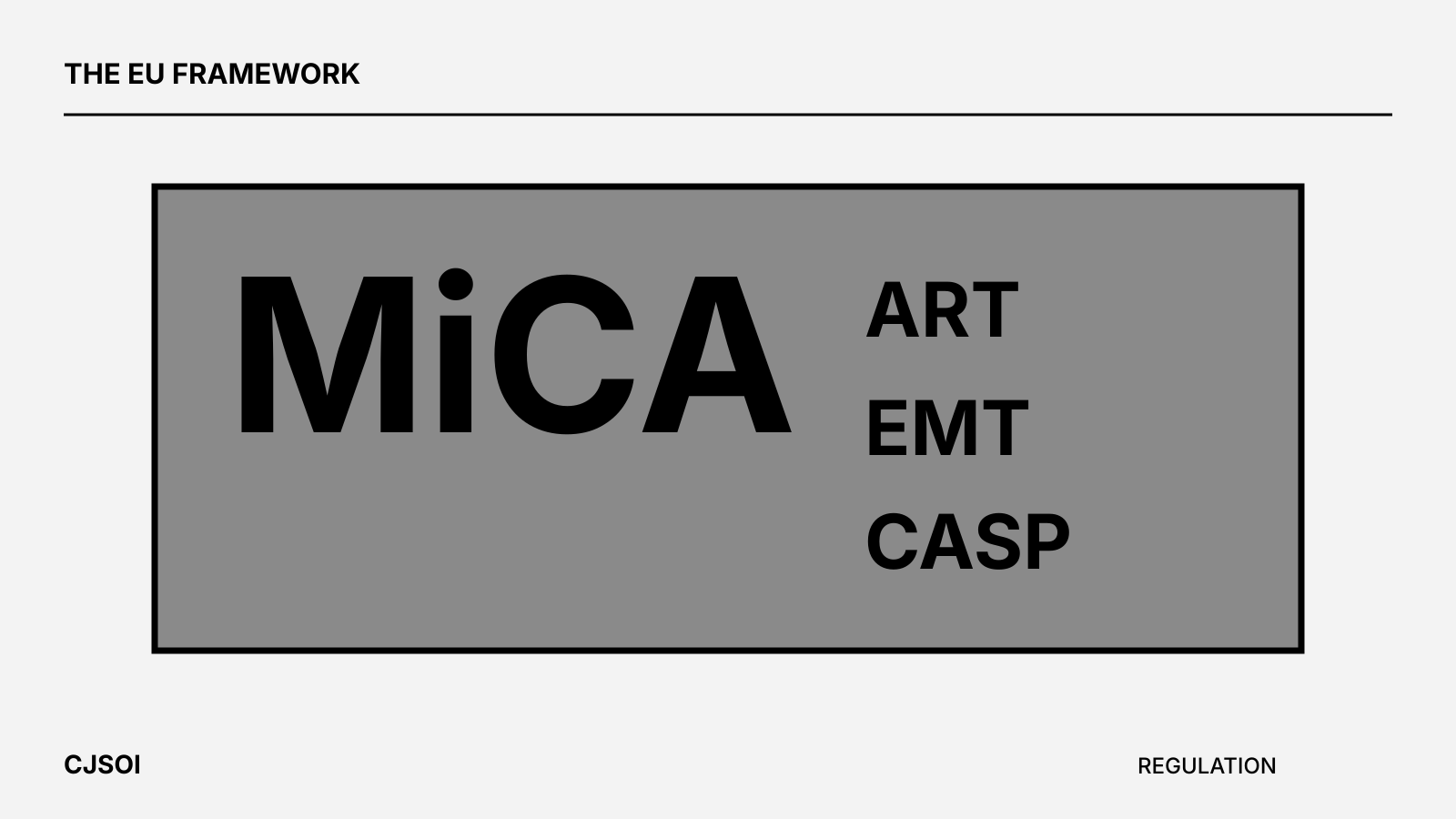
Token categories, issuer permissions and service-provider authorizations answer different questions.
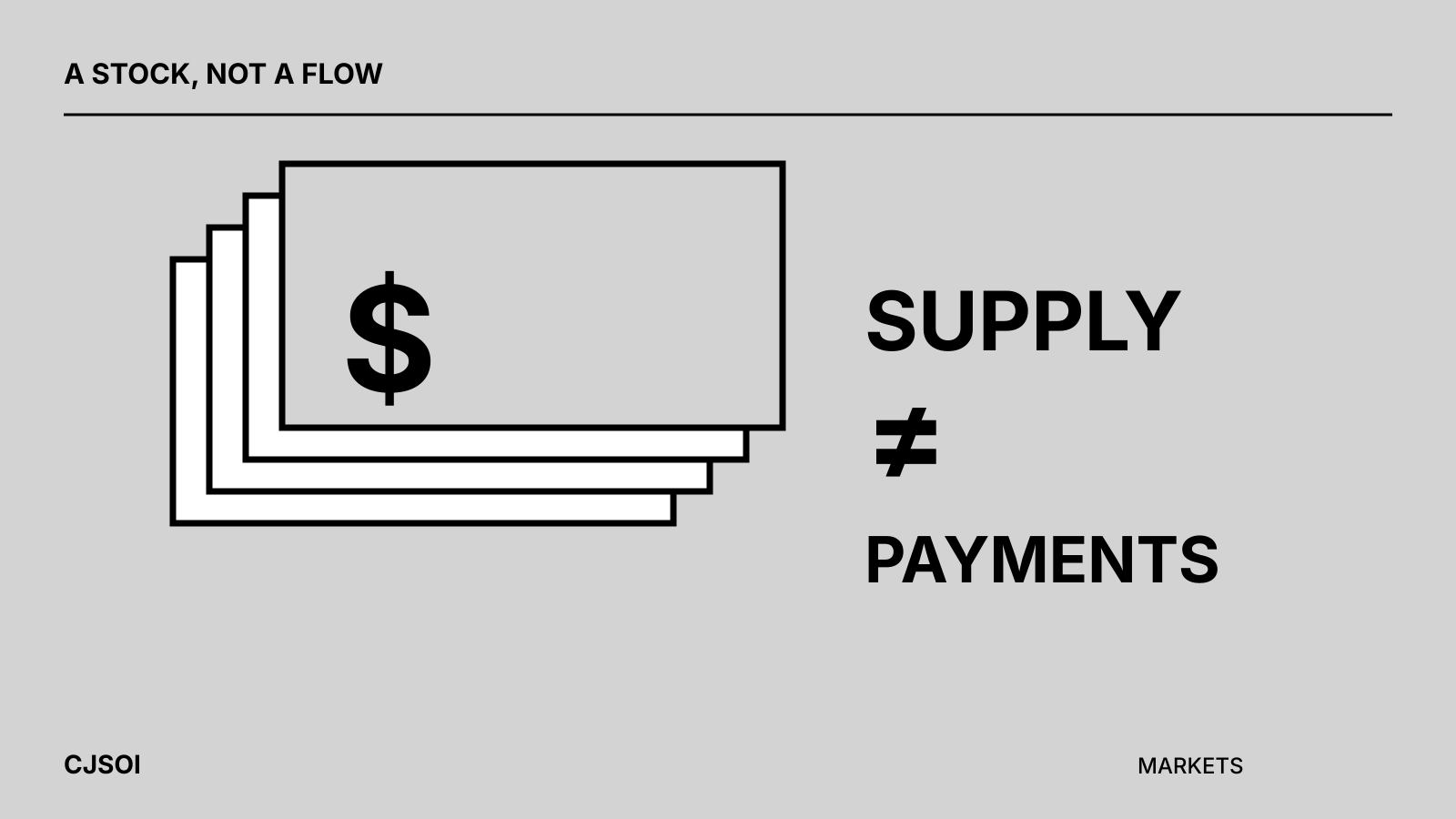
More tokens outstanding can mean more potential liquidity. It does not prove what holders will do next.
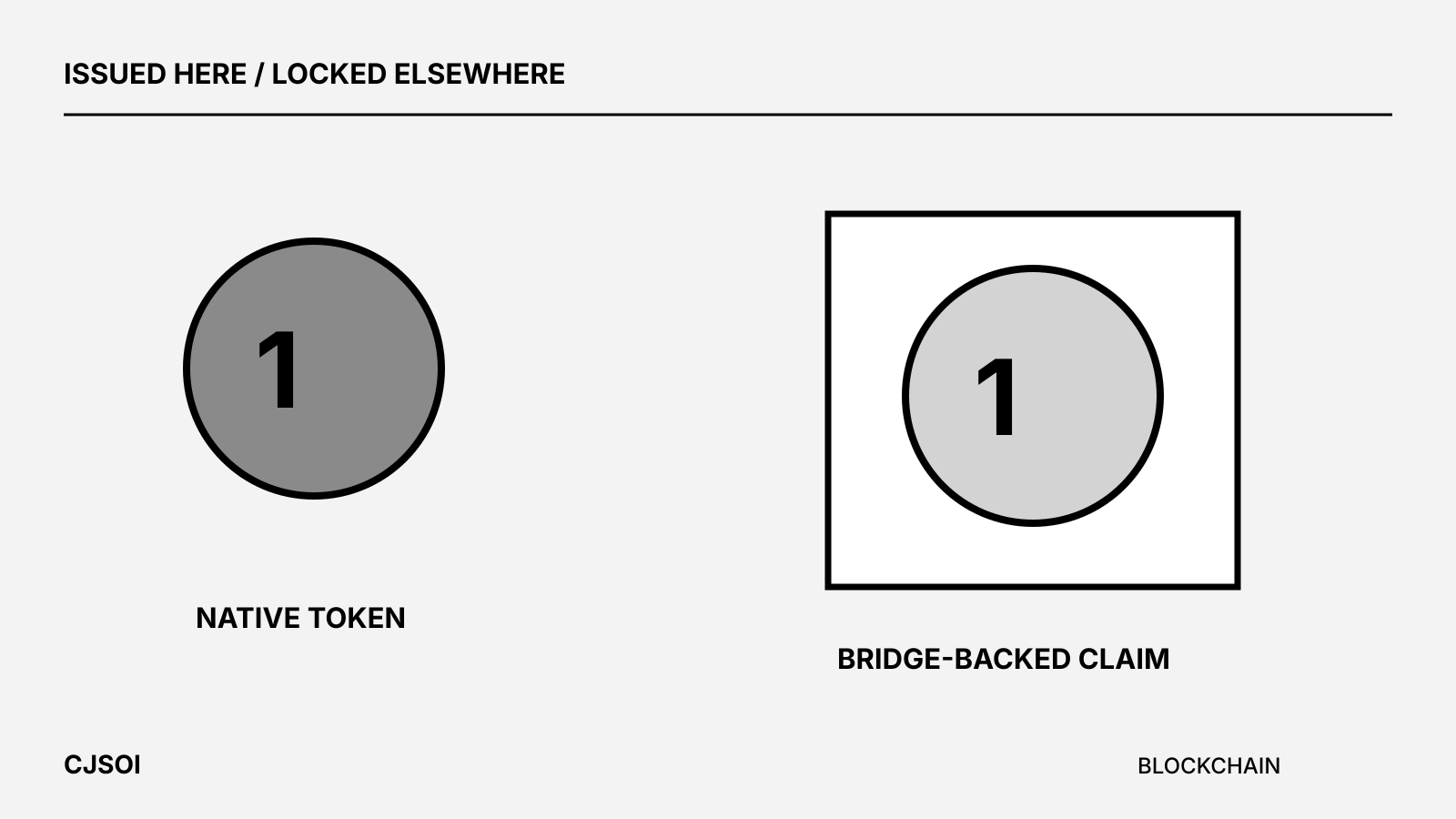
Trace native and bridged stablecoins through lock-and-mint and burn-and-mint diagrams, dependencies and deposit checks.
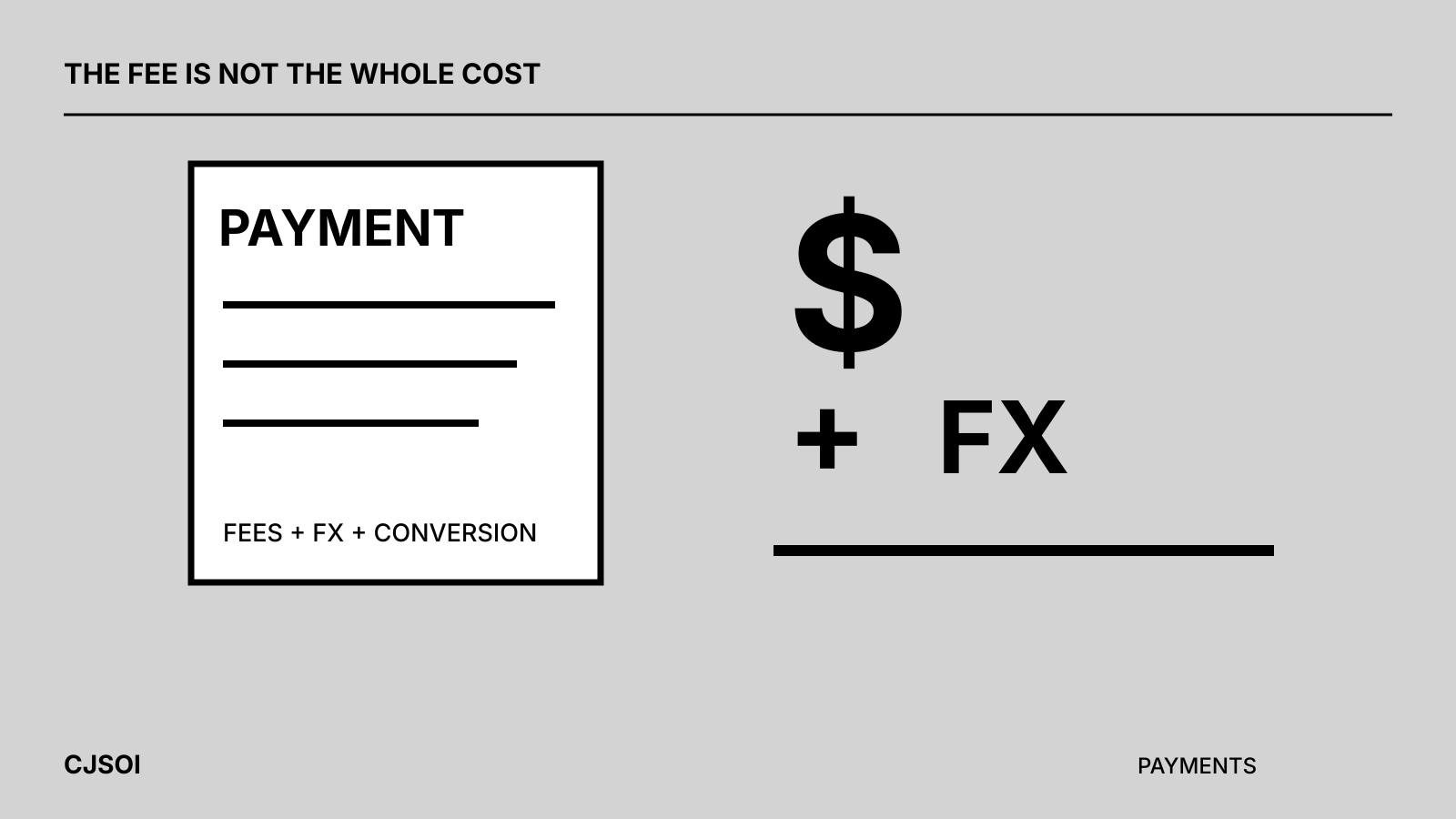
A complete payment-cost model, worked examples and World Bank data for comparing what the recipient really receives.
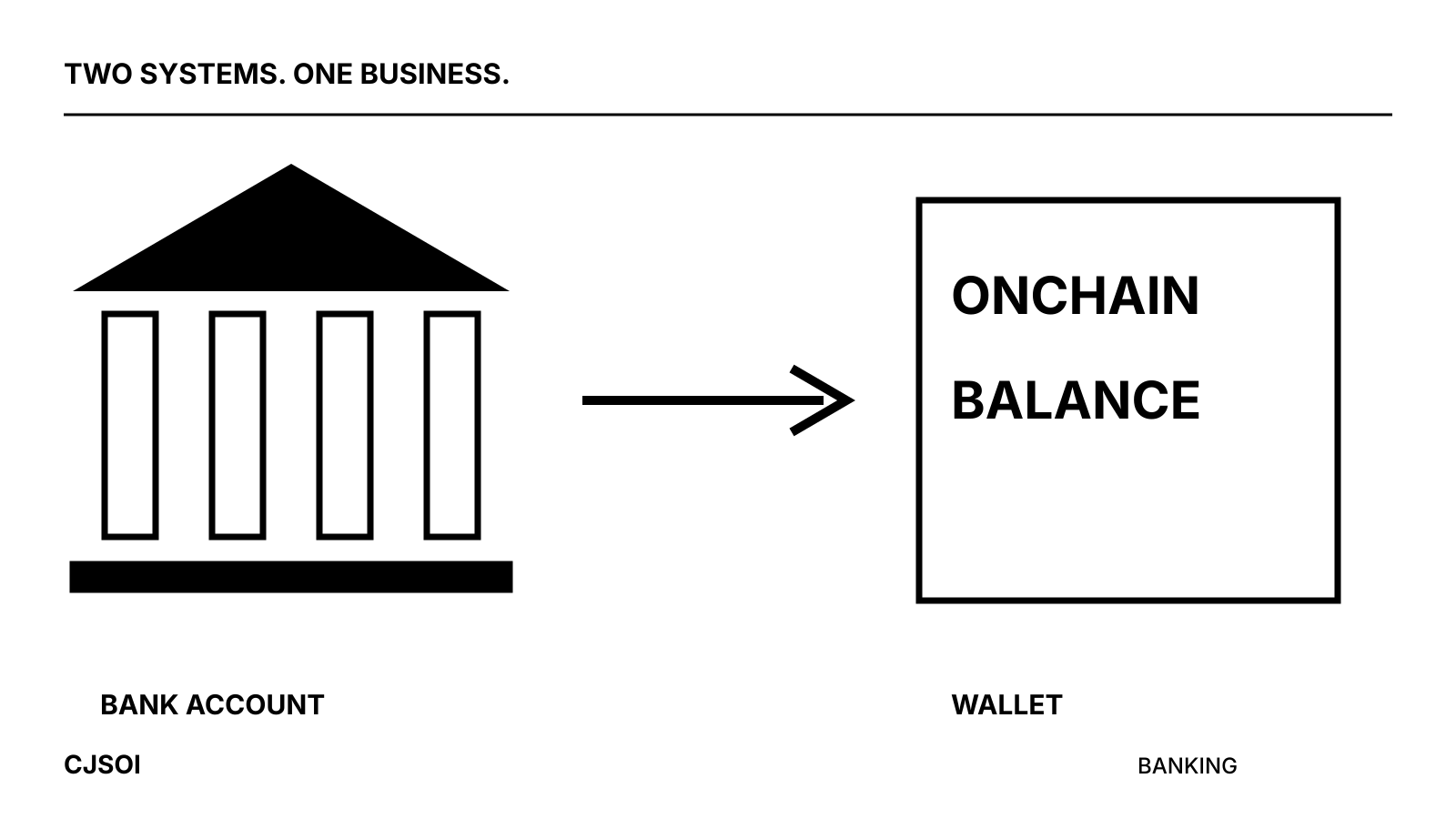
An onchain business can still have offchain bills, reserve assets and customers who need cash.
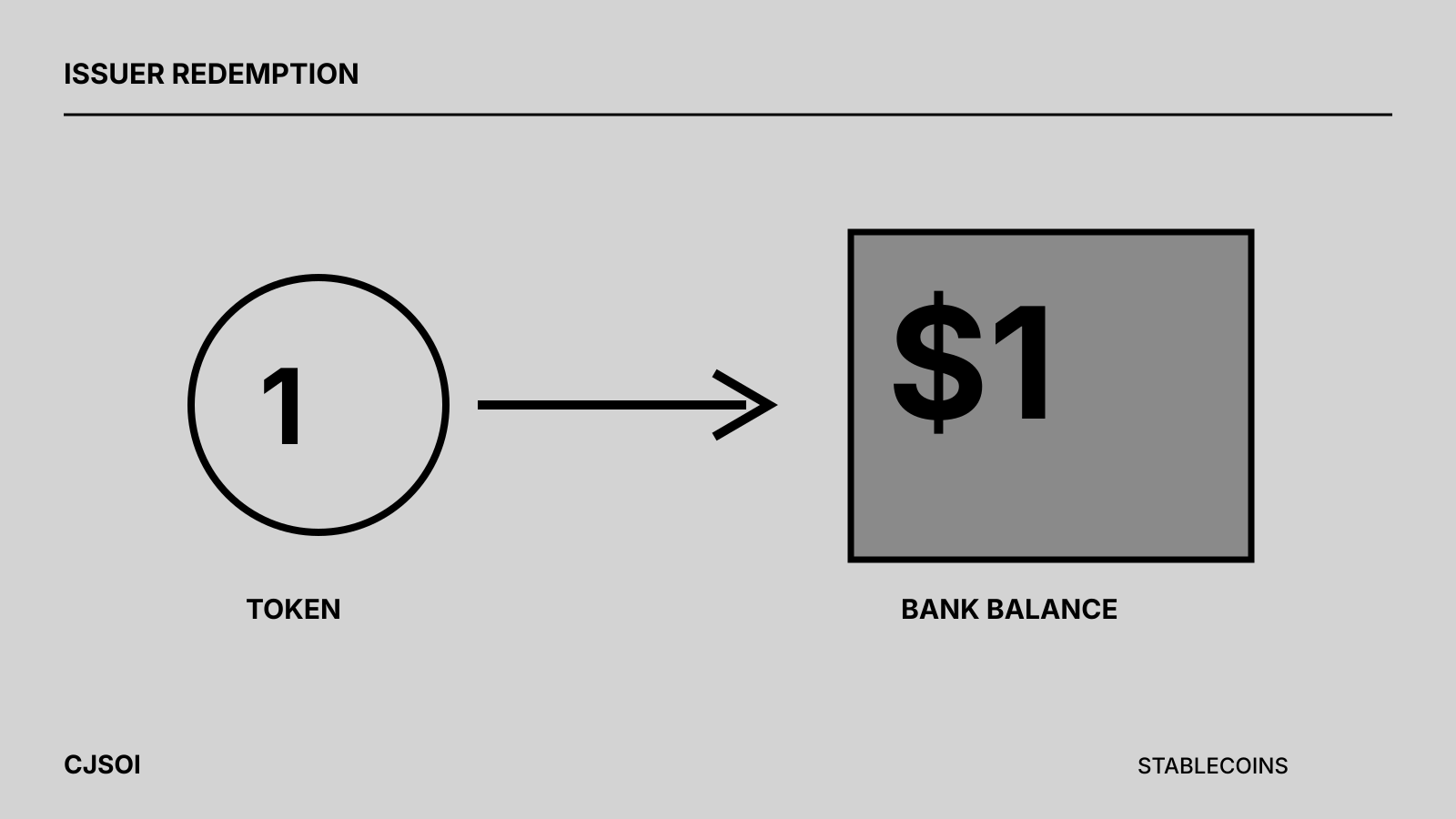
Selling a token and redeeming it with its issuer are different transactions. Here is where the dollars come from.
Stablecoins & Markets
Coverage focuses on reserves, redemption and the flow of money through digital-asset markets.
View articles
Banking & Payments
Coverage follows settlement, custody and the costs of moving money across borders.
View articles
Blockchain & Regulation
Coverage explains wallets, network infrastructure and the rules governing digital assets.
View articles