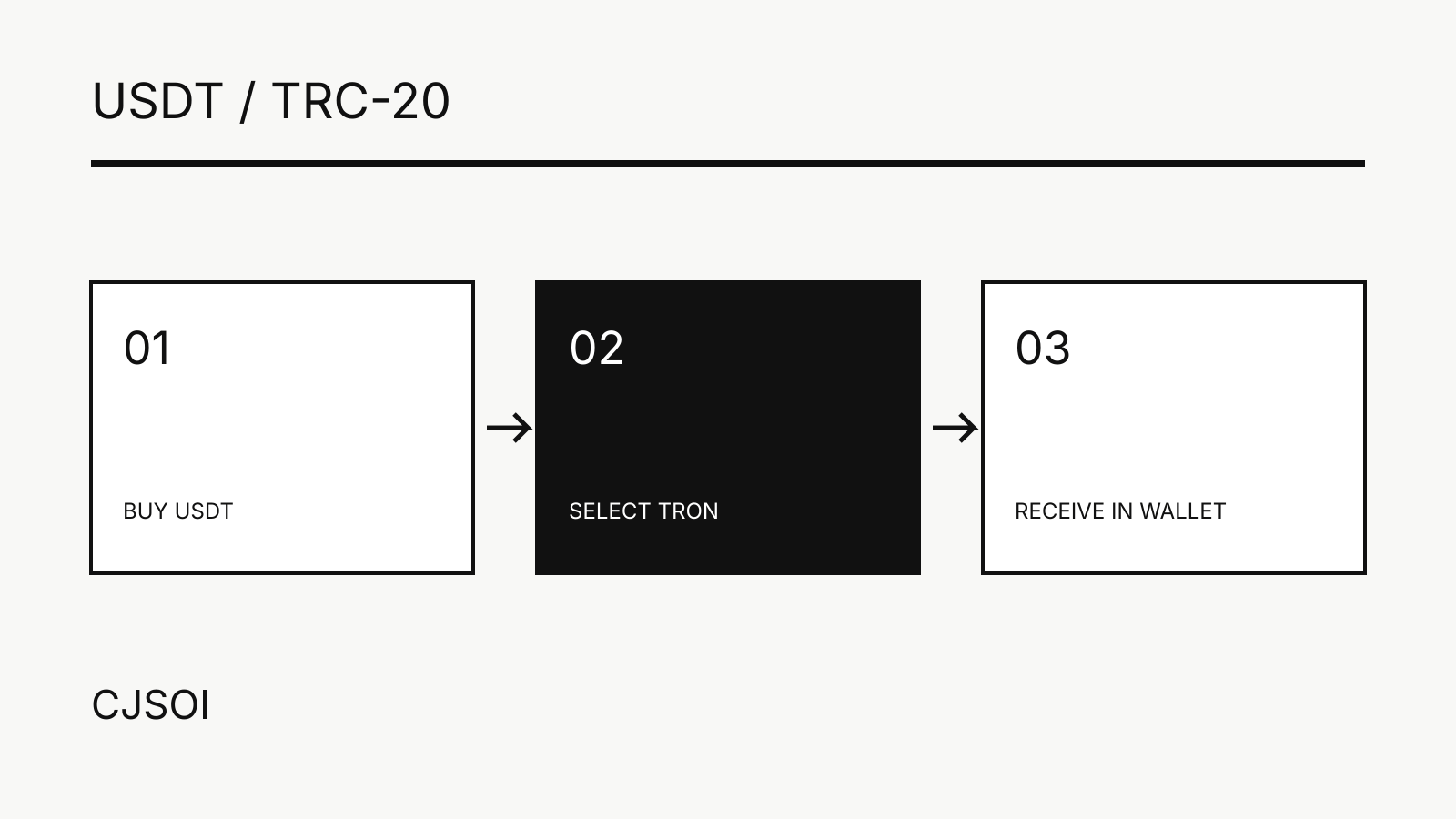
To buy USDT TRC20, you need a route that both sells USDT and can deliver it on TRON. Buying a balance called “USDT” does not establish which withdrawal networks a platform supports. Confirm the destination network, recipient support and withdrawal conditions before paying for the token.
Tether issues USDt on several blockchains. Its supported-protocols page identifies the TRON version as a TRC-20 token and links its official contract. The token’s issuer and the blockchain carrying a particular transfer are separate parts of the transaction.
Separate the purchase from the withdrawal
An exchange purchase may initially give you an account balance within the exchange. A later withdrawal moves the selected asset onto the network you choose, subject to that platform’s supported routes and restrictions.
Kraken’s network guidance uses USDT as an example of an asset offered across multiple networks. Its withdrawal instructions tell customers to select the same network used by the receiving wallet.
Those documents explain a mechanism; they are not a recommendation to use that platform or a claim that every account has the same access. Check the actual account’s asset, network and funding options before sending money.
| Stage | What to confirm |
|---|---|
| Funding | Your account can use the proposed payment method |
| Purchase | The order buys USDT, with the full amount and cost visible |
| Withdrawal | TRON is available for that asset on that account |
| Receipt | The recipient accepts USDT on TRON at the supplied address |
Verify what “TRC-20” names
TRC-20 describes the token standard on TRON. It is not a separate exchange or a guarantee that an address belongs to the person who gave it to you.
Tether’s official TRON USDt contract is TR7NHqjeKQxGTCi8q8ZY4pL8otSzgjLj6t. Compare a token’s contract with the issuer’s official listing, rather than relying on a name or ticker that another token could copy.
A contract address identifies the token. Your recipient’s wallet or exchange deposit address identifies where your transfer goes. They serve different purposes: do not paste the token contract into a withdrawal form as though it were your personal receiving address.
For the wallet side of the route, see the TRC-20 wallet guide. The stablecoin directory provides issuer and network context without replacing the account-level checks.
Direct acquisition from Tether is another route
Tether’s acquisition instructions describe sending a bank wire and receiving tokens at a selected address. They require a verified Tether.to account and state a minimum acquisition amount of US$100,000 or equivalent.
The process includes selecting a network protocol, supplying a wallet address, providing Travel Rule information and waiting for the request review before wiring funds using the instructions supplied. The bank account must already be verified with Tether.
This is materially different from a small retail exchange purchase. An issuer’s acquisition process should not be presented as though any wallet holder can purchase a few dollars directly without account verification or the stated minimum.
Count the costs on the complete route
The purchase quote and the withdrawal screen answer different cost questions. Read the trading or purchase charge, payment-method cost, quoted token amount, withdrawal charge and minimum together.
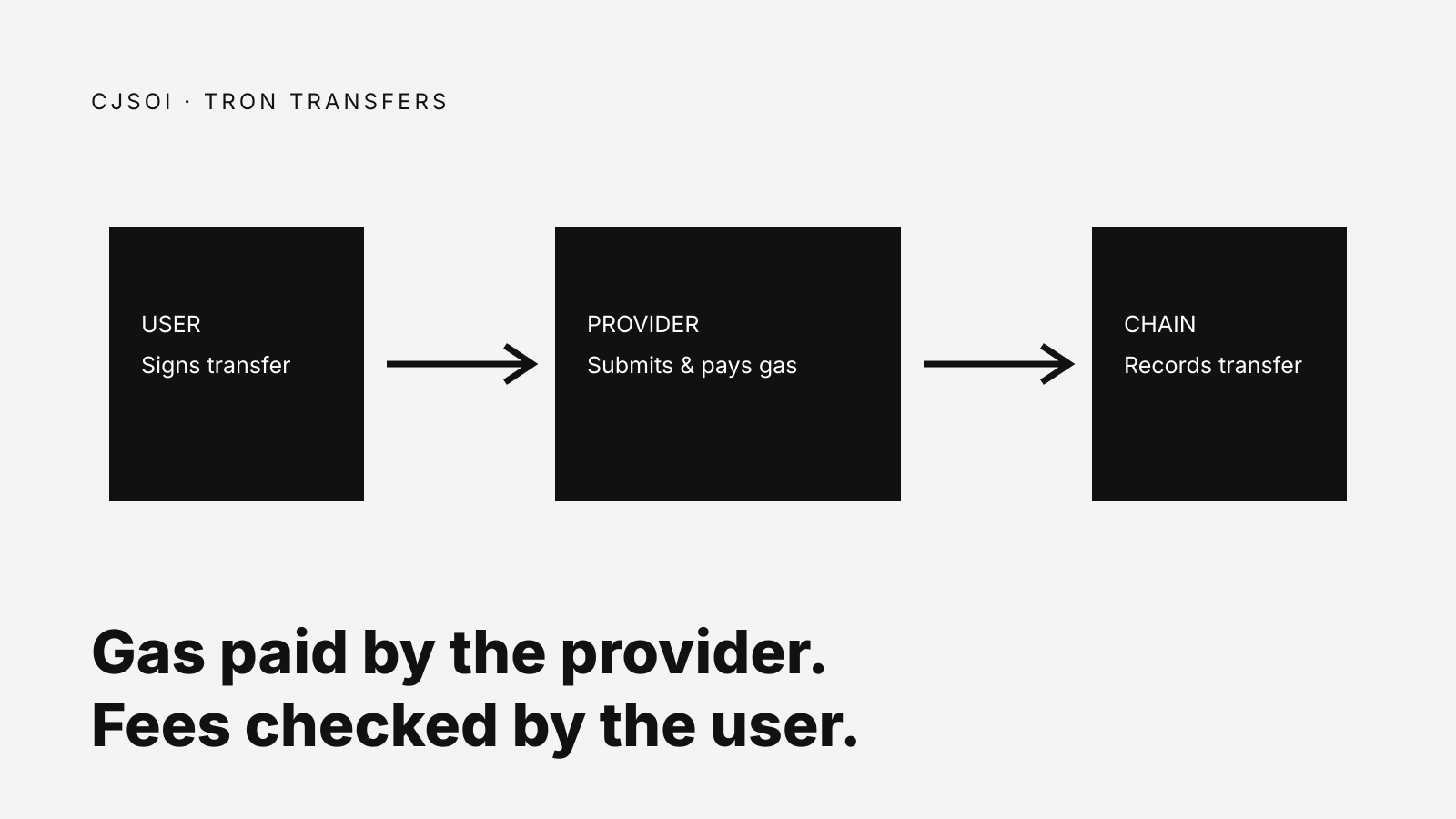
A withdrawal charge set by an exchange is not automatically the same as the network resources consumed by its transaction. Likewise, a small network fee does not establish the total cost of buying and moving the token.
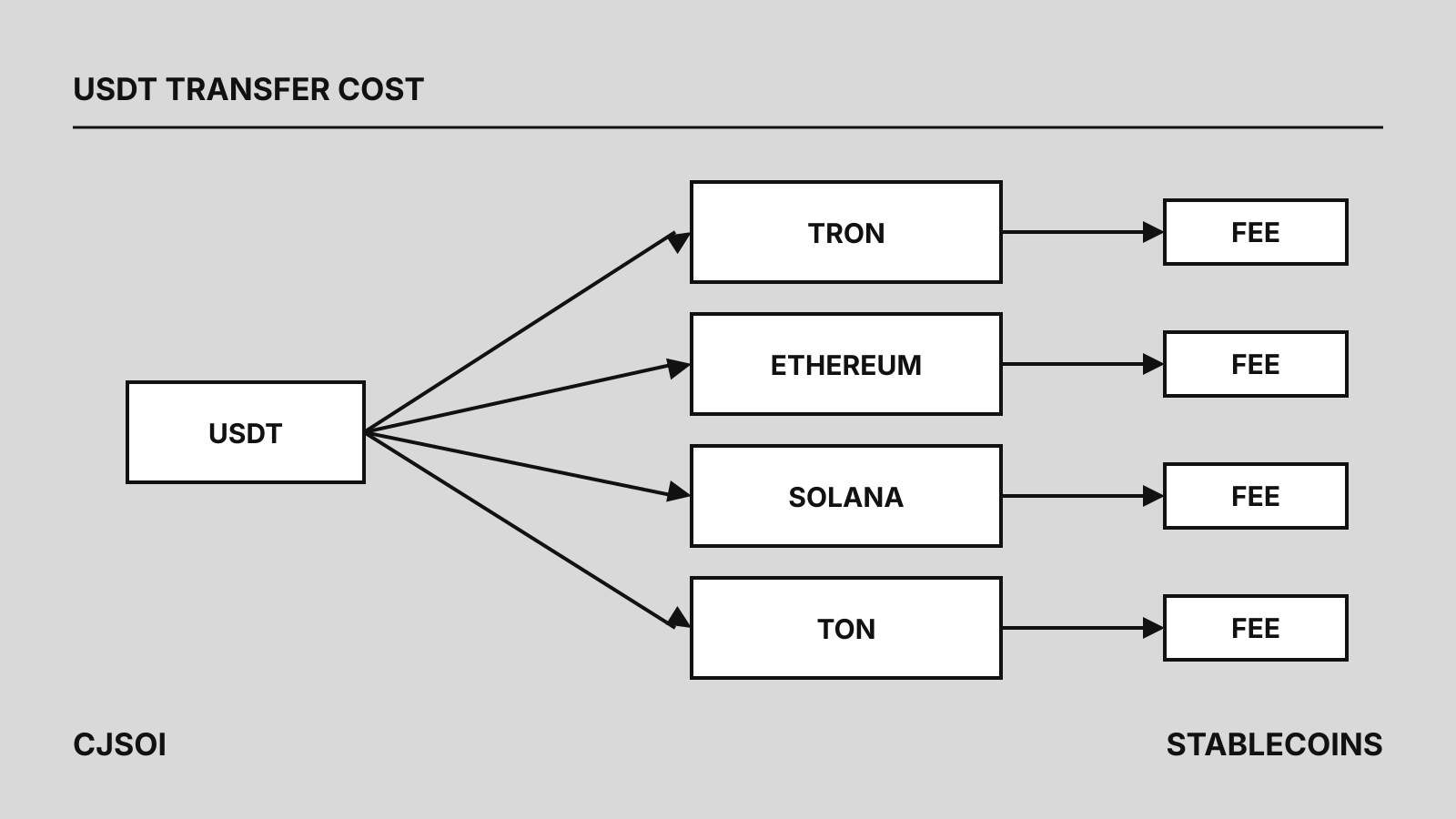
Use a simple comparison: for the same amount of money paid, how much USDT will arrive at the same TRON destination? Compare quotes at the same time and include the services the route actually requires. The network-fee comparison explains why destination support and the complete route matter alongside gas.
Prepare the receiving side before committing funds
If the destination is another exchange, obtain the address from its USDT deposit flow after selecting TRON. Read any additional instructions that flow supplies. If the destination is a wallet you control, confirm that it supports the TRON token and that you have a workable recovery plan.
Treat a payment address supplied through a message as something to verify through the intended counterparty’s established channel. Correct token and network selection cannot establish that an unfamiliar person is trustworthy.
Before final confirmation, compare the network and the entire receiving address with the destination’s instructions. Review the withdrawal fee and net amount. A route should be understandable from purchase to receipt before it becomes an irreversible transfer.
Receiving tokens is not the last operation
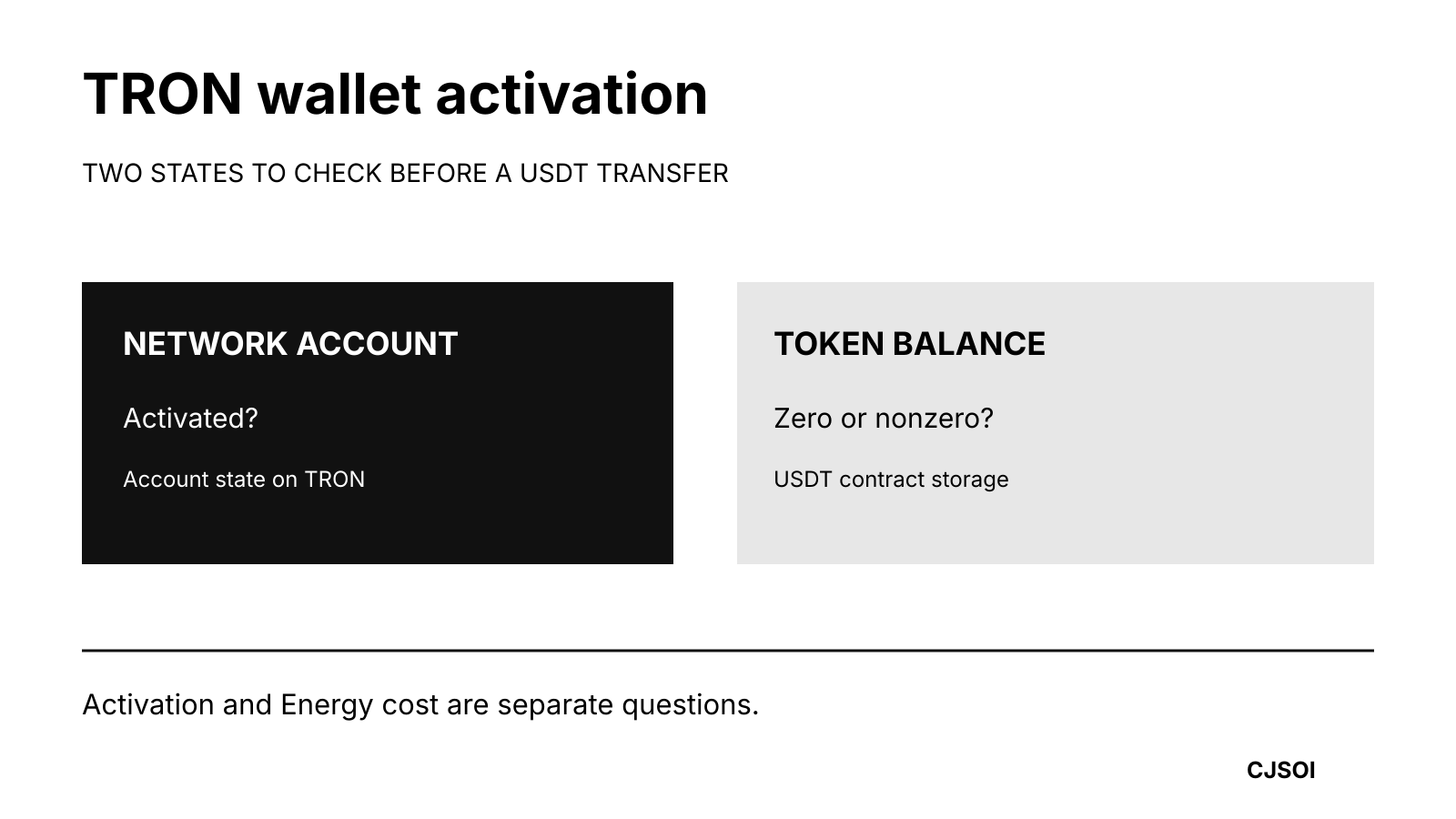
A wallet may receive USDT while needing network resources to send it onward. That later transaction is a separate step with its own requirements. An exchange account may instead impose its own withdrawal conditions.
The TRON transfer guide follows that next operation. Read it before assuming that a received token balance alone supplies everything needed for the following transfer.