The Fedwire vs CHIPS comparison is not a contest between two identical payment rails. Both move large-value US-dollar payments, but they organize settlement differently. Fedwire settles eligible transfers individually in central-bank money. CHIPS uses continuous matching and netting to release payments with finality while conserving participant liquidity.
That distinction affects liquidity, timing and operational choices. It does not mean one system is universally “faster” or “safer” for every payment.
Fedwire is real-time gross settlement
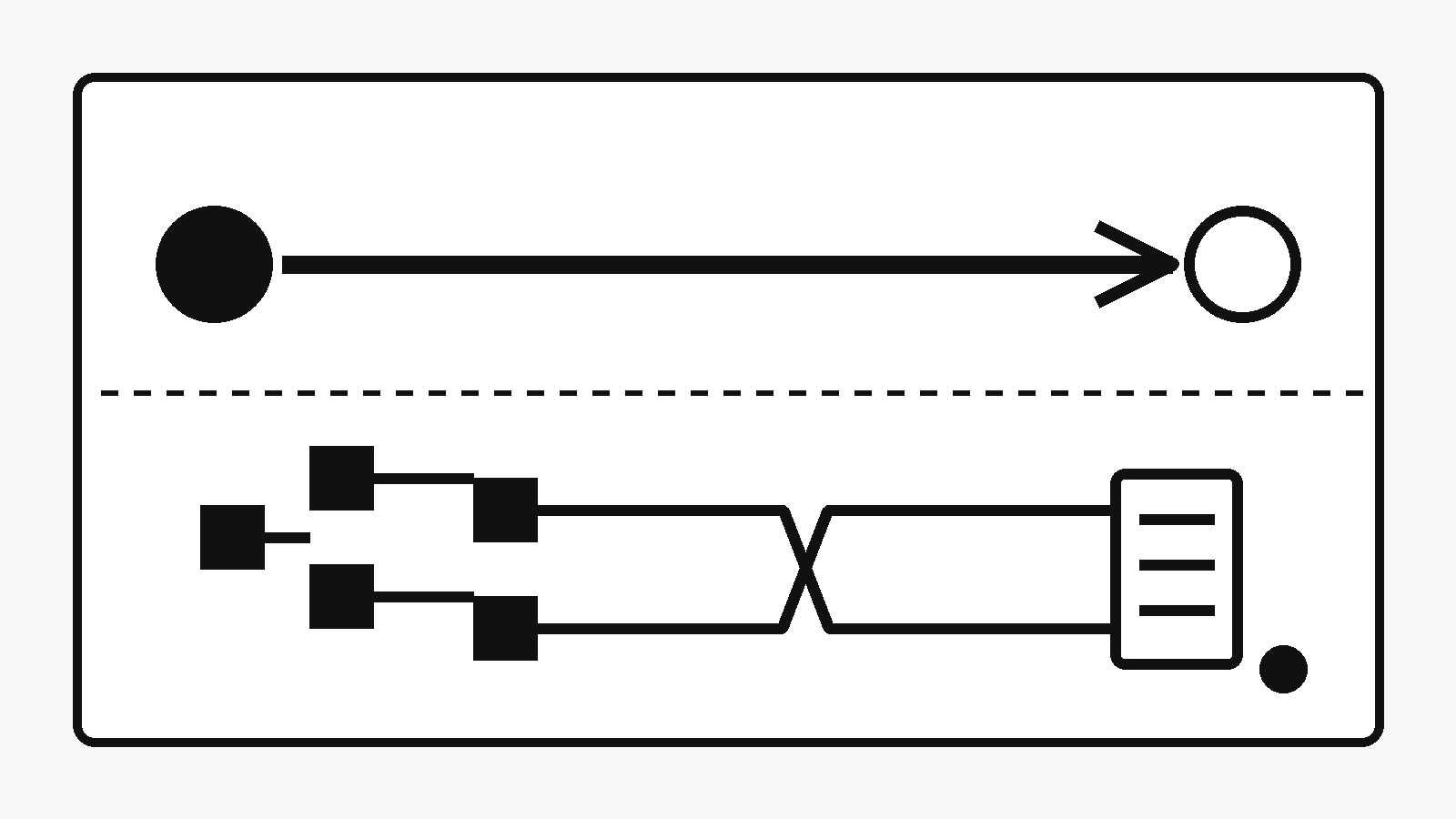
The Federal Reserve describes the Fedwire Funds Service as a real-time gross settlement system. “Gross” means each transfer settles individually rather than being offset against a batch of other payments.
When a Fedwire transfer is processed, the sending institution’s Federal Reserve account is debited and the receiving institution’s account is credited. The transfer is final and irrevocable once processed. This makes the service suitable for time-critical obligations such as settlement payments, large corporate transfers and transactions whose participants need certainty during the business day.
Gross settlement also has a liquidity consequence: the sending institution needs sufficient funds or intraday credit for the transfer when it is released. A bank cannot assume that an unrelated incoming payment will automatically cancel out the outgoing amount first.
CHIPS saves liquidity through matching and netting
CHIPS is operated by The Clearing House. It uses a hybrid model built around continuous matching, netting and settlement. Payment instructions enter a queue and are continually evaluated against other instructions and available funding.
When the algorithm finds a combination that satisfies its release rules, it can settle multiple payments while requiring participants to commit less liquidity than the full gross value of every instruction. The Clearing House reports approximately 26:1 liquidity efficiency for 2025 and more than $2 trillion in average daily value. The ratio describes settled payment value relative to funding, rather than a return on money. Both figures are operator-reported.
CHIPS says it operates a 21-hour processing day. A payment is final when it is released by the system, not merely when an instruction first enters the queue.
A simple example
Imagine Bank A must send $100 million to Bank B while Bank B must send $80 million to Bank A.
On a pure gross-settlement rail, each obligation is funded and settled as its own transfer. The two payments remain legally and operationally distinct.
A liquidity-saving system can identify the offsetting flows and release them using far less than $180 million of participant liquidity, subject to its rules and funding positions. The original payment amounts still reach their intended beneficiaries; the savings come from how interbank obligations are funded and settled.
This is why transaction value alone does not tell you how much liquidity a payment system consumes.
Finality is strong on both rails, but the route differs
Fedwire finality follows from the immediate debit and credit on Federal Reserve accounts. CHIPS provides finality when a payment is released after the system’s matching and funding conditions are met.
The practical question for a treasury or operations team is therefore not simply, “Is this payment final?” It is also:
- when does the system treat the payment as released;
- what funding must the bank provide;
- can the instruction wait in a queue;
- does the payment have a deadline or linked settlement obligation;
- what information will correspondents and beneficiaries receive?
These questions matter especially in a correspondent banking chain, where the customer sees one payment but several institutions may handle messages, compliance checks and settlement.
Messaging and settlement are separate layers
A payment message can carry beneficiary, routing and reference information without itself being the settlement asset. Banks may exchange ISO 20022 messages while the underlying dollar obligation settles through Fedwire, CHIPS or another arrangement.
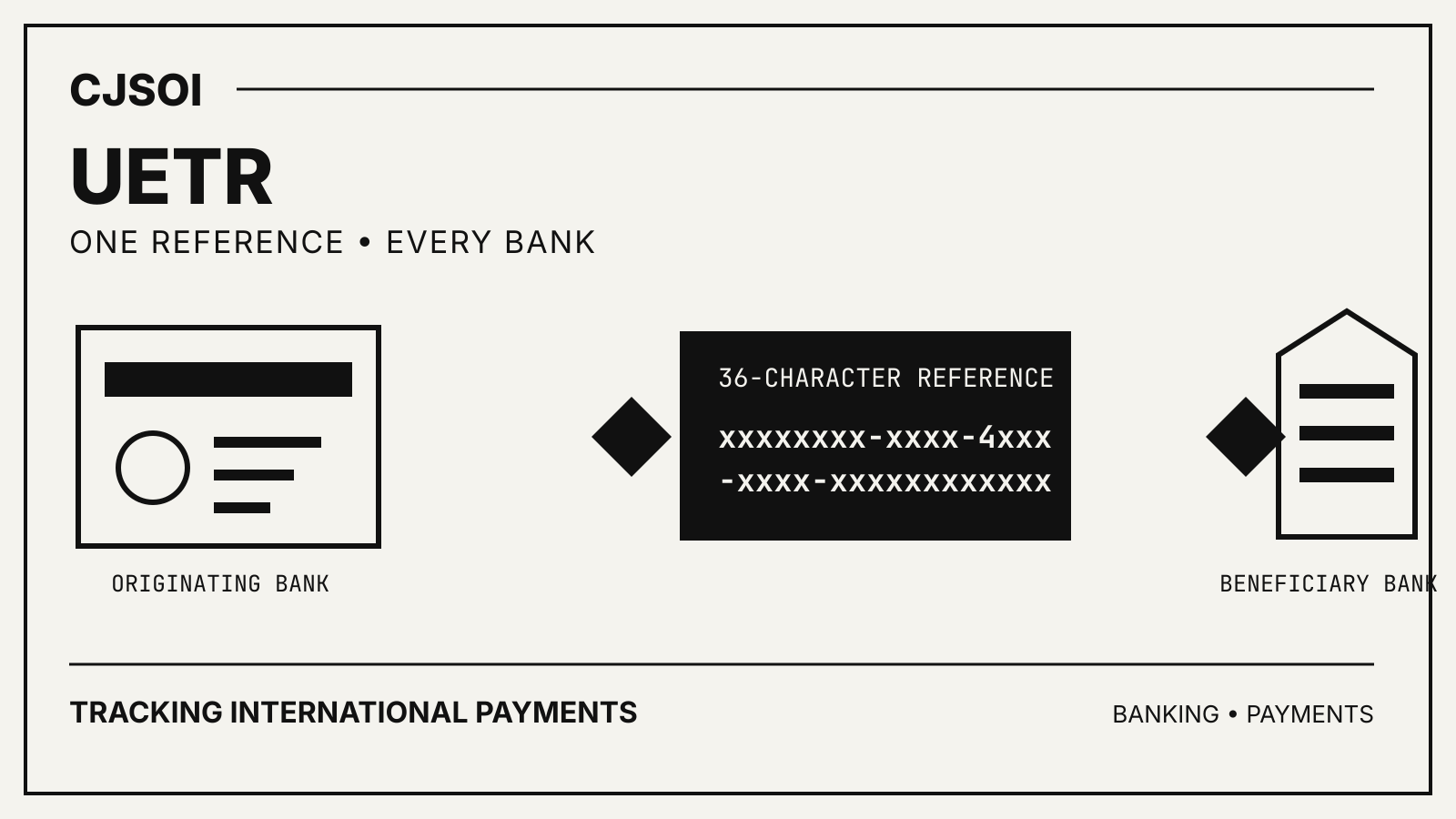
That is also why a tracking reference does not prove settlement on its own. CJSOI’s guide to UETR payment tracking explains how a unique reference follows a cross-border instruction, while this article addresses where interbank funds become final.
Operations teams should record both the message status and the settlement status. Treating an acknowledgement as final credit can create reconciliation errors.
Why a bank may choose one route
A participant may prefer Fedwire when immediate gross settlement and intraday certainty matter more than conserving liquidity. It may prefer CHIPS when the payment fits a high-value cross-border flow and the liquidity-saving process offers an efficient route.
The actual choice can also depend on participant access, counterparty instructions, cut-off times, internal limits, correspondent relationships and customer deadlines. A corporate customer does not always choose the rail directly; its bank may make that routing decision under the account agreement and payment instruction.
For transactions tied to securities or foreign exchange, teams should also consider whether the deal needs a linked settlement mechanism such as payment versus payment, rather than assuming either dollar rail removes principal risk elsewhere in the trade.
Treasury teams should record the rail, release status, value date, cut-off and reconciliation evidence for a material payment. A generic “sent” label does not distinguish a queued instruction from a settled interbank obligation.