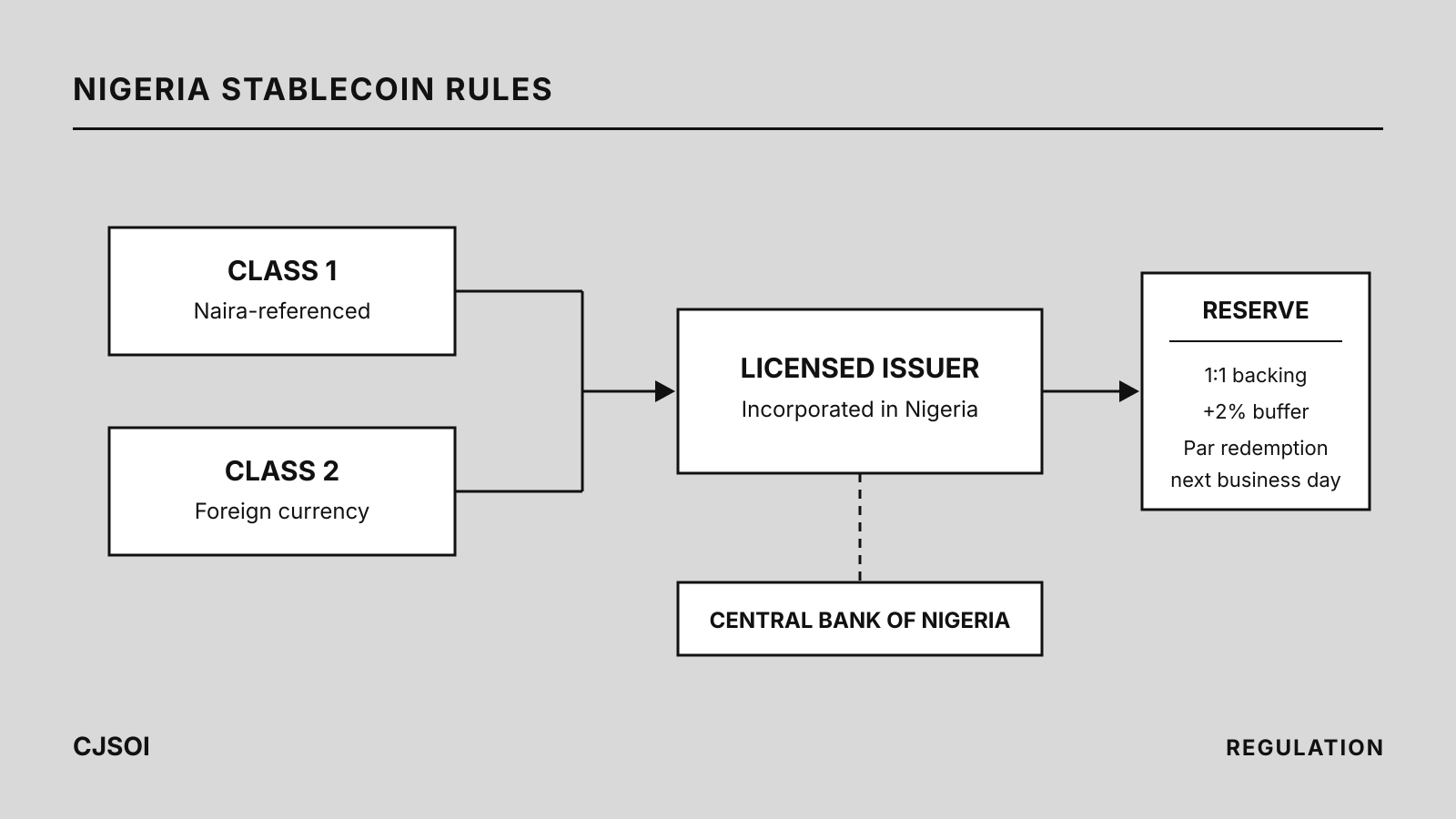
Nigeria’s central bank has issued stablecoin regulations: local issuers with ₦10 billion or ₦15 billion of capital. Dollar and other foreign-currency coins may reach users in Nigeria only through a Nigerian-incorporated issuer, with full reserves and redemption at par by the next business day.
The CBN published the Regulations for the Operations of Non-Security Virtual Assets in Nigeria as circular PSP/DIR/PUB/CIR/001/004, listed in its circulars register with a document date of November 5, 2026. The 169-page text comes from the Payments System Policy Department. It covers stablecoins, bank-issued deposit money tokens and the firms that exchange, hold or transfer them. Tokens that are securities stay with Nigeria’s Securities and Exchange Commission.
Two classes of stablecoin, both issued from Nigeria
The Nigeria stablecoin regulations split coins by the currency they track:
- Class 1: referenced one-to-one to the naira and fully backed by naira reserve assets.
- Class 2: referenced to any other currency, such as the US dollar, with lawful uses including cross-border payments and remittances.
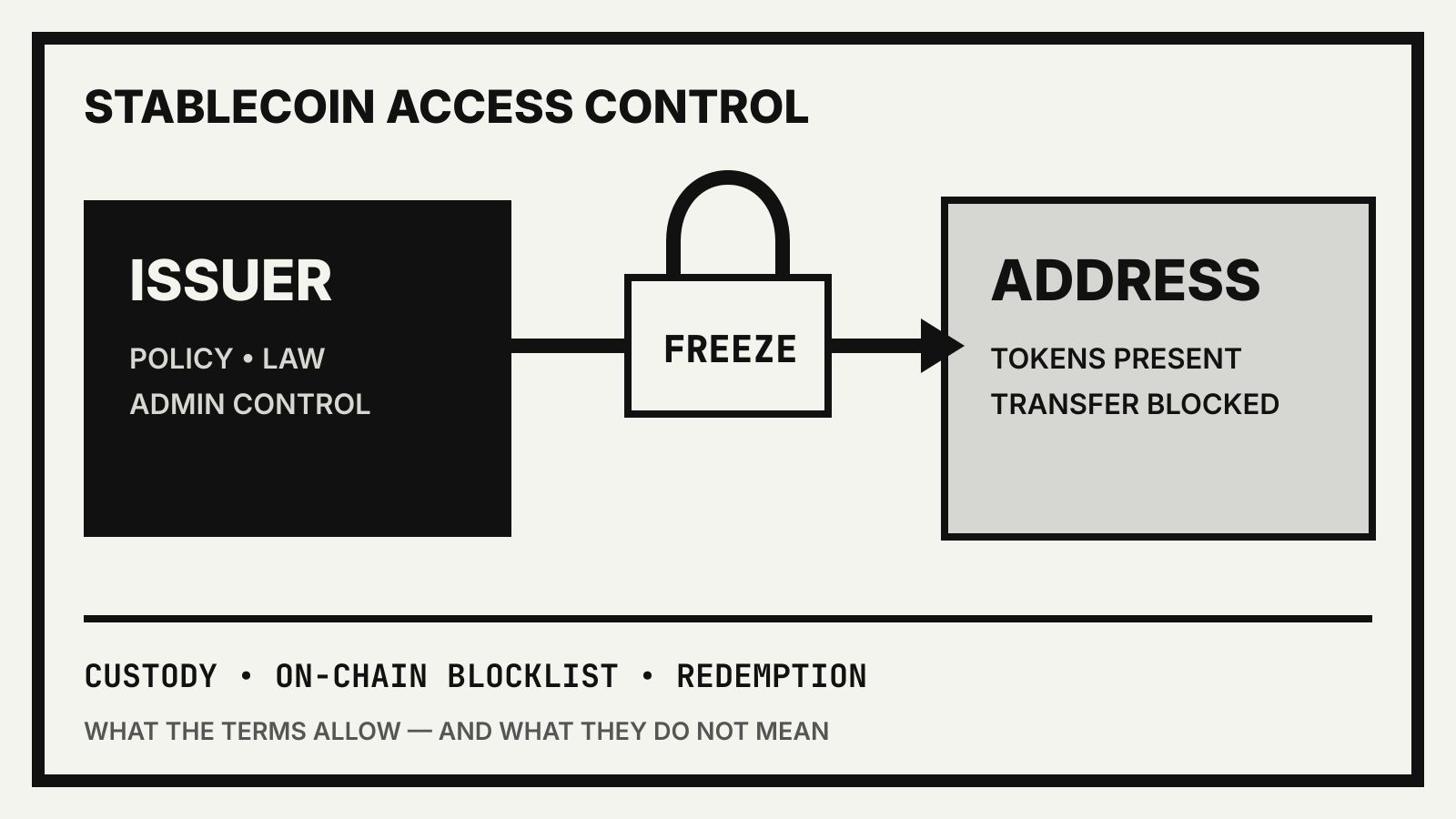
Either way the issuer must be a company incorporated in Nigeria holding a CBN issuer licence, and each coin needs its own Token Approval. A foreign-currency stablecoin may be offered, exchanged, held in custody or redeemed for people in Nigeria only as an approved Class 2 coin issued through such a company. A foreign licence does not substitute for it, and the text states there is “no offshore issuer exemption from incorporation, licensing or capital.” A foreign group may own or sponsor the Nigerian issuer if the CBN gets full supervisory access.
The rules also list prohibited tokens: algorithmic stablecoins, fiat-referenced tokens backed mainly by other crypto-assets, tokens linked to sanctioned persons, and “stablecoins” that give holders no enforceable right to redeem at par.
The numbers an issuer has to meet
| Requirement | Class 1 (naira) | Class 2 (foreign currency) |
|---|---|---|
| Paid-up capital | ₦10 billion | ₦15 billion |
| Application fee / annual renewal | ₦10 million / ₦5 million | ₦10 million / ₦5 million |
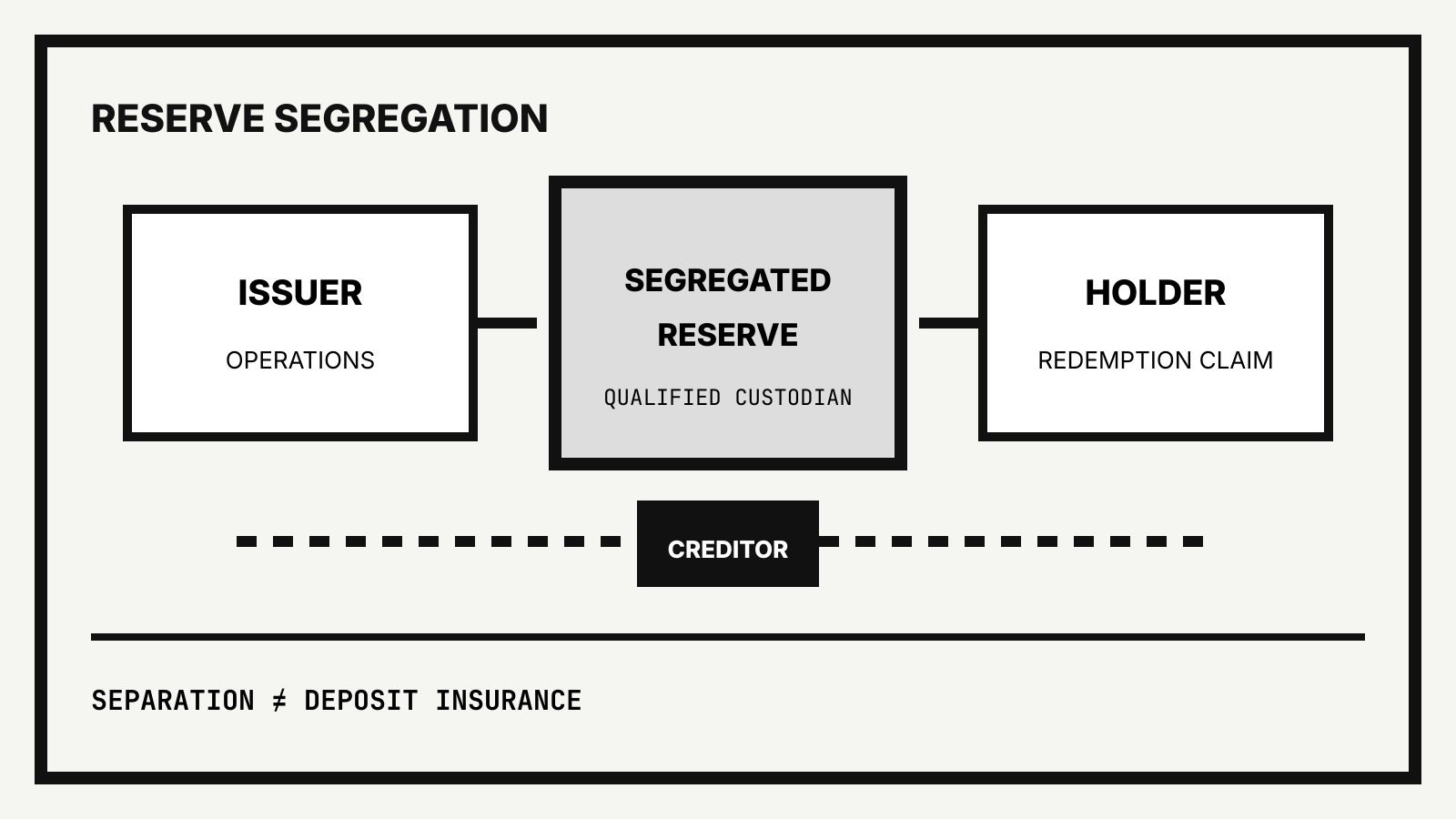
| Reserve | 100% of coins in issuance, plus a 2% overcollateralisation buffer | Same |
| Share of reserve held at the CBN | At least 20%, in a Reserve Deposit Account | Not required |
| Own-funds liquidity | Higher of six months’ operating costs or wind-down cost | Same, plus separate operational liquidity and a Nigerian bank as redemption agent |
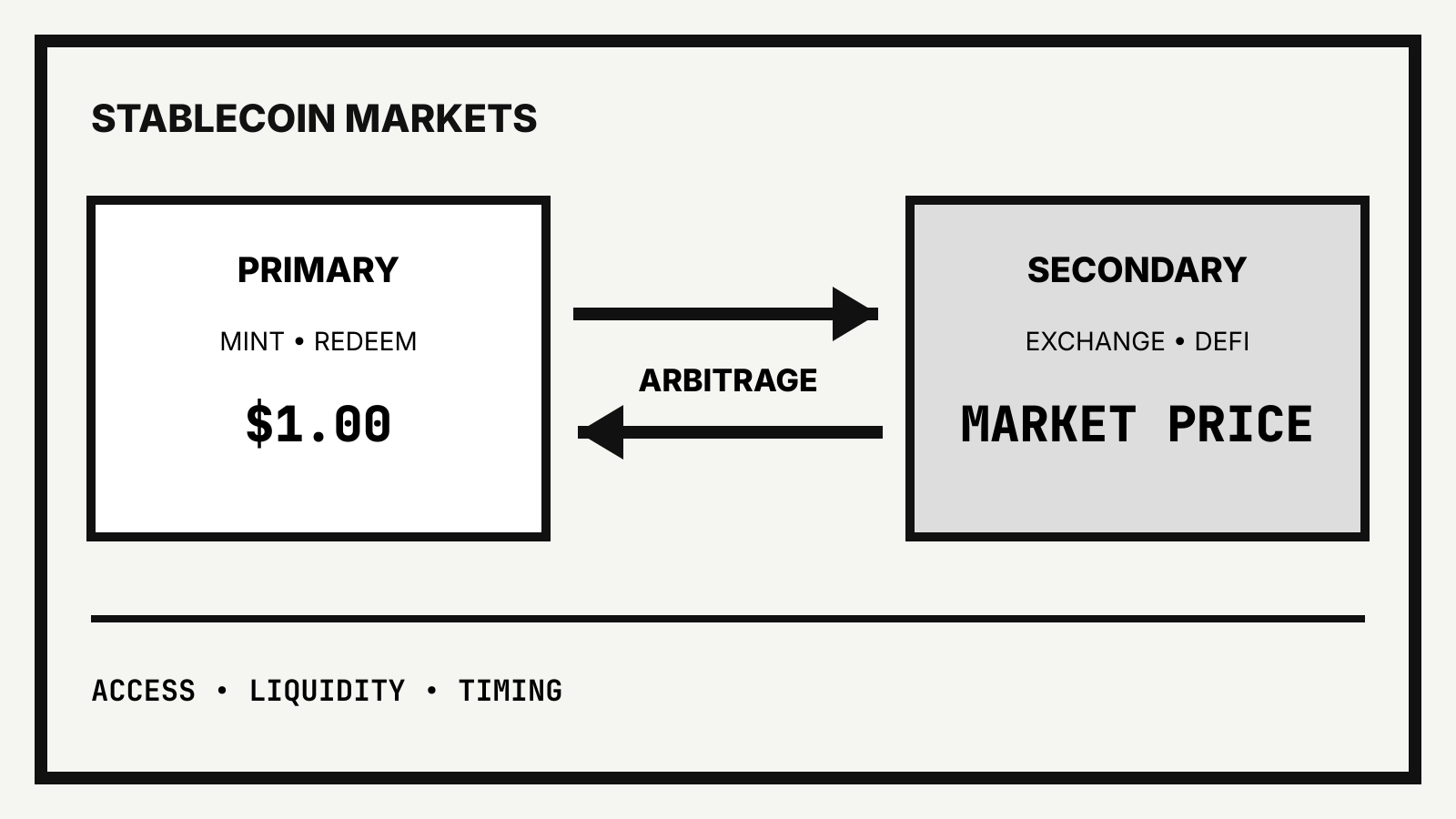
| Redemption | At par, by the end of the next business day; no fee for a standard redemption | Same |
Firms that only exchange, hold or transfer tokens need ₦1 billion in CBN capital, on top of any SEC capital. Issuers may not pay interest or yield for holding a coin, and reserves may not be lent, staked or pledged. A coin can be designated systemic once its circulation exceeds ₦500 billion on each of 30 consecutive days, or it is used by more than 5 million people in Nigeria.
Worked example
Take a hypothetical Class 1 issuer with ₦50 billion of coins outstanding. Its reserve pool must be at least ₦51 billion: full backing plus the 2% buffer. At least 20% of that pool, ₦10.2 billion, sits in cash at the CBN. If the balance falls below 20%, the issuer reports it the same business day, and after five business days below the line it stops issuing. The ₦10 billion of capital comes on top: the rules say capital is separate from reserves and cannot be counted twice.
For a Class 2 issuer with US$200 million of Nigeria-linked coins, Section 11.3 lists three liquidity measures: US$10 million, 15% of Nigeria-linked liabilities (US$30 million here), and 30 days of stressed Nigerian outflows under a CBN-approved stress test. The published text does not include the sentence saying how the three combine.
Transition and penalties
Existing operators must register with the CBN within 30 days of commencement and apply for a licence within 180 days. Until then they may continue only at their existing scale. The regulations say the commencement date is set in the issuing instrument. Operating without a licence draws a fine of at least ₦100 million plus ₦1 million a day. Paying prohibited yield costs twice the amount paid.
Other regulators are taking different routes: Canada’s draft rules allow three business days to redeem, and the Bank of Thailand’s proposal would also ban yield. For the wider picture, see who regulates a stablecoin and what happens when you redeem a stablecoin. Issuer and reserve details for USDT, USDC and other coins are on the stablecoin list.
Questions
Can USDT or USDC still be used in Nigeria?
Only as an approved Class 2 stablecoin issued through a Nigerian-incorporated company with a CBN Foreign Currency Issuer Licence. Existing Class 2 arrangements will be assessed, and continued access in the meantime needs the CBN’s express interim permission.
Are Nigerian stablecoins covered by deposit insurance?
No. The regulations bar presenting Class 1 or Class 2 coins as bank deposits or as covered by NDIC insurance. Bank-issued deposit money tokens are different: they rank as deposit claims on the issuing bank, with insurance set under NDIC arrangements.
Can a peer-to-peer platform keep trading stablecoins for naira?
Only with an Other Services Licence, Other Services Authorisation or Approval to Extend Permitted Activities that the CBN has expressly extended to peer-to-peer services. There is no stand-alone P2P licence.
Sources
- Central Bank of Nigeria, “Regulations for the Operations of Non-Security Virtual Assets in Nigeria,” circular PSP/DIR/PUB/CIR/001/004, November 5, 2026
- Central Bank of Nigeria, circulars register
More from the Regulation desk.