TRON staking under Stake 2.0 lets you lock TRX and receive a daily share of the network’s energy instead of burning TRX on every USDT transfer. As of early October 2026, one staked TRX produces about 9.65 energy a day, so one USDT transfer a day to an address that already holds USDT needs roughly 6,700 TRX staked, and one to a new USDT holder needs roughly 13,500 TRX. You keep the TRX, but unstaking takes 14 days.
That is a lot of capital for a single transfer, which is why most occasional senders rent energy instead; current rental prices are on our TRON energy page. Staking makes sense when you hold TRX anyway, send regularly, or want to supply energy to several addresses of your own.
How Stake 2.0 gives you energy
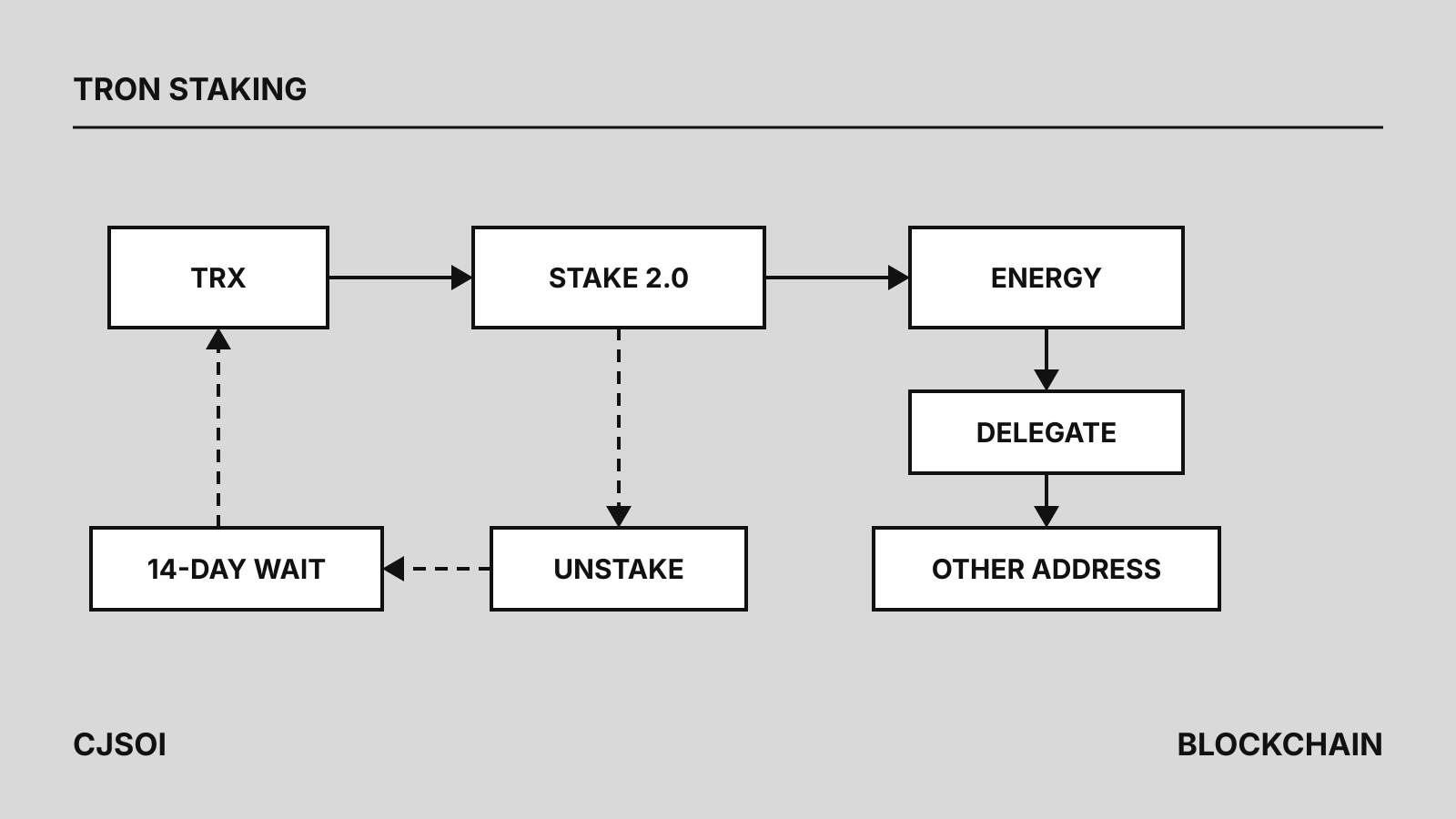
Stake 2.0 has been TRON’s staking mechanism since April 7, 2023. You stake with a FreezeBalanceV2 transaction and choose one resource, ENERGY or BANDWIDTH. The minimum is 1 TRX per operation.
The network does not pay a fixed amount of energy per TRX. It hands out a fixed daily supply, 180,000,000,000 energy, in proportion to stake. TRON’s developer docs give the formula:
Energy obtained = (your TRX staked for energy ÷ total TRX staked for energy network-wide) × 180,000,000,000
So your energy changes when other people stake or unstake. Energy you use comes back gradually over a rolling 24 hours; if you use all of it at once, the full amount is available again a day later. Staking also gives 1 TRON Power per TRX, which you can use to vote for Super Representatives. TRON’s docs say voting is what generates rewards; we do not quote a reward rate here.
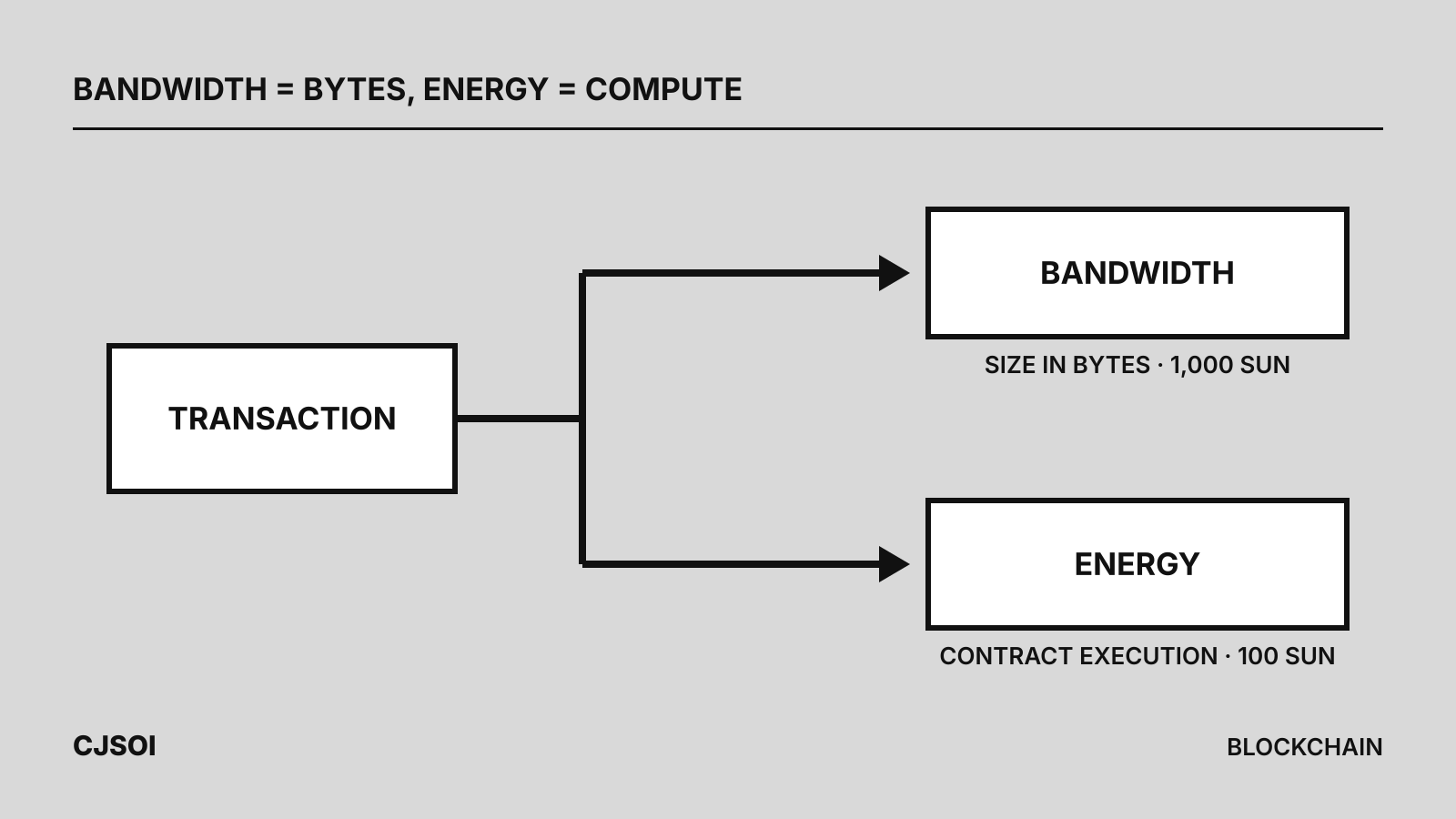
For what energy pays for and how it differs from bandwidth, see TRON energy vs bandwidth.
How much TRX one USDT transfer a day needs
Both inputs to the formula are public. The node API wallet/getaccountresource returns TotalEnergyLimit and TotalEnergyWeight, the total TRX staked for energy across the network, for any address. On October 4, 2026 at 09:19 UTC, TronGrid returned:
TotalEnergyLimit: 180,000,000,000TotalEnergyWeight: 18,661,444,978 TRX
Calculation, early October 2026: 180,000,000,000 ÷ 18,661,444,978 = about 9.65 energy per staked TRX per day.
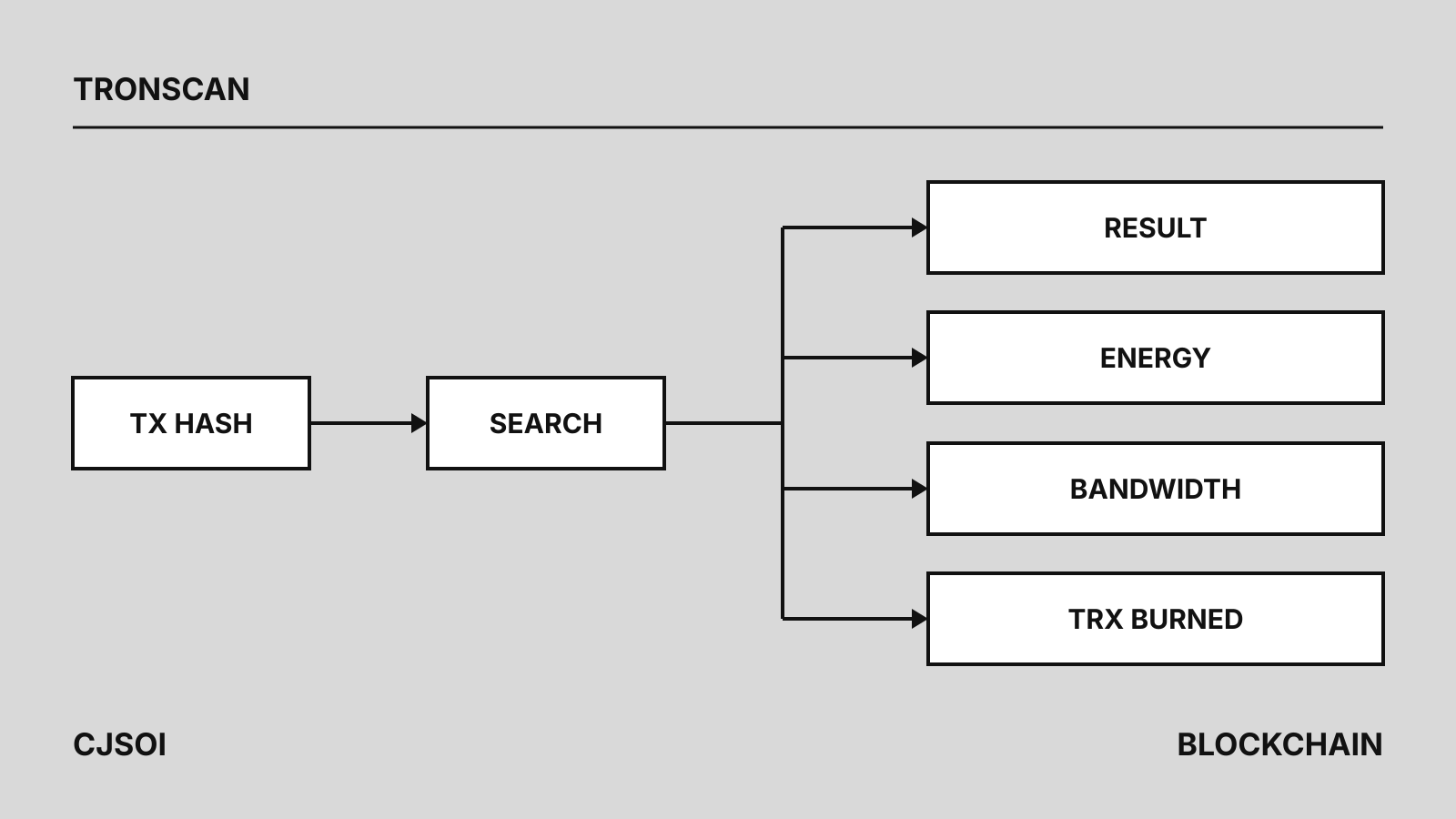
How much energy a USDT transfer takes depends on the recipient. TRON’s docs link two example transfers that used 64,285 energy (to an address that already held USDT) and 130,285 energy (to an address that had never held it). Both senders drew that energy from their own staked or delegated energy and burned only bandwidth, as our guide to reading a transaction on TRONSCAN shows.
| One transfer a day | Energy | TRX to stake (calculation) |
|---|---|---|
| To an address that holds USDT | 64,285 | about 6,665 |
| To an address that never held USDT | 130,285 | about 13,507 |
| Two a day to existing holders | 128,570 | about 13,330 |
Treat these as estimates. If total stake for energy rises, each TRX yields less, and the energy USDT’s contract charges can change under TRON’s dynamic energy model. Leave some headroom. Bandwidth is separate: the free 600 a day covers one USDT transfer of about 345 bytes, and a second transfer the same day burns about 0.345 TRX unless you also stake for bandwidth.
Staking vs burning vs renting, in TRX
- Burning. With no energy, the network burns 100 sun per unit (
getEnergyFee, as of early October 2026). One transfer to an existing holder costs about 6.43 TRX and one to a new holder about 13.03 TRX (calculation). Nothing is locked, but the TRX is gone. - Staking. About 6,665 TRX locked covers the first case every day (calculation). The TRX is not spent: it stays yours and comes back after unstaking. Over 30 days of one transfer a day, burning would have cost about 193 TRX (calculation: 30 × 6.43); staking spends no TRX on energy over that period.
- Renting. A rental service delegates energy to your address for a set time and you pay per order. No capital is locked. Prices change during the day; compare current offers on our TRON energy page.
The trade-off is capital against fees. Staking only pays off if you would otherwise burn or rent energy regularly, and if you are comfortable holding that much TRX.
Delegating energy to another address
Staking and delegation are independent in Stake 2.0. With DelegateResource you lend the energy from your stake to another account; the TRX stays staked under your name and the recipient uses the energy as if it were its own. This is how one staking wallet can pay USDT fees for a separate sending wallet.
The rules from TRON’s delegation docs:
- The minimum delegation is 1 TRX of stake. The
balancefield is the TRX amount behind the energy, not an energy amount. - You cannot delegate to yourself or to a contract address.
- TRON Power is not delegated; voting rights stay with the staker.
- An optional lock guarantees the recipient keeps the energy for a set number of blocks (3 seconds each). The maximum is chain parameter
getMaxDelegateLockPeriod, 864,000 blocks as of early October 2026, which is 30 days (calculation: 864,000 × 3 s). - An unlocked delegation can be taken back at any time. Undelegating also reclaims a proportional part of the recipient’s energy still in its 24-hour recovery window.
Energy rental services sell exactly this kind of delegation, which is why rented energy counts as delegated energy in a transaction’s receipt.
Unstaking and the 14-day wait
Unstaking takes two steps. UnfreezeBalanceV2 starts a 14-day pending period, during which the TRX produces no energy and cannot be spent. After that, WithdrawExpireUnfreeze moves it back to your balance. The 14 days is chain parameter #70, getUnfreezeDelayDays, which TRONSCAN’s chain parameters showed at 14 as of early October 2026; Super Representatives can change it by vote.
Other limits worth knowing:
- Partial unstaking is allowed, but no more than 32 unstake operations can be pending at once.
- TRX you have delegated to another address cannot be unstaked until you undelegate it.
- Unstaking removes the same amount of TRON Power, taking idle TP first and then votes proportionally.
CancelAllUnfreezeV2cancels every pending unstake and re-stakes the TRX at once; anything already past 14 days is withdrawn in the same transaction.
Risks and limits
- Price exposure. Staked TRX is still TRX. If its market price falls, the value of your stake falls with it, and the 14-day wait means you cannot sell quickly.
- Locked funds. Plan for two weeks without access to the staked amount, plus time to undelegate first.
- A moving yield of energy. Your energy per TRX depends on everyone else’s stake, so a stake sized today may fall short later.
- No energy, failed transfer. If your stake no longer covers a transfer and your wallet’s fee limit is too low, the transfer can fail with
OUT_OF_ENERGY; see TRON out of energy.
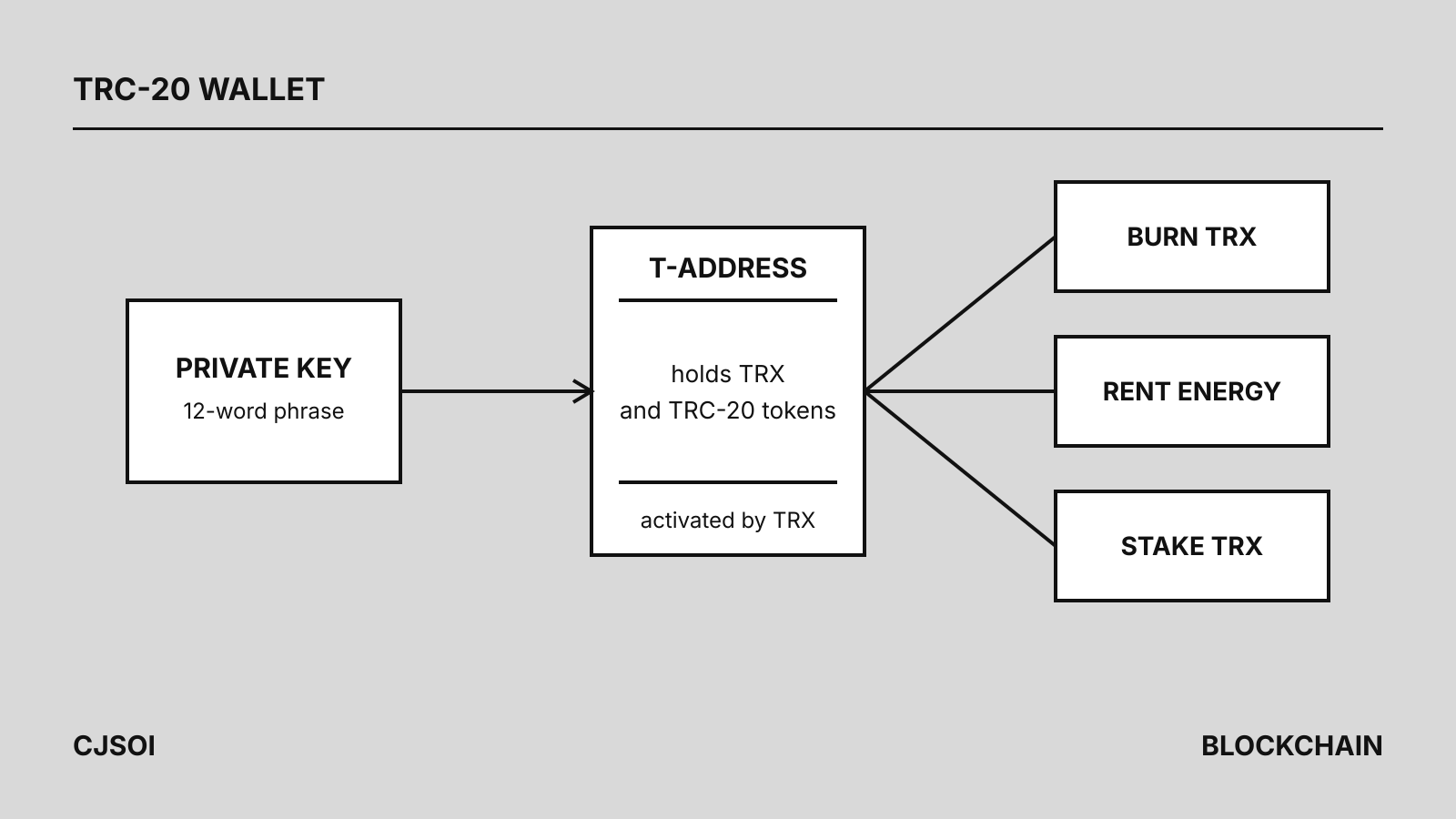
For the full sending routine, see how to send USDT on TRON; for wallets that show staking and resources, see our TRC-20 wallet guide.