Circle published a wrapped-asset framework on October 13, 2026 as it introduced cirBTC, its wrapped bitcoin product for Arc and Ethereum. The company says the design is intended for institutions that need clearer custody, reserve and redemption arrangements than a token ticker alone can provide.
The important distinction is that this is Circle’s own product framework and set of claims. It is not an independent audit of cirBTC or a universal standard for wrapped assets.
Seven questions Circle says institutions should ask
Circle’s framework groups due diligence into seven areas: issuer and regulatory oversight, custody, reserve transparency, mint and redeem mechanics, cross-chain availability, smart-contract security, and institutional access. That list is useful beyond cirBTC because it turns a vague question such as “is this wrapped asset safe?” into checks that can be answered with documents, contracts and operational terms.
For any wrapped asset, users should still verify who controls the underlying asset, who may redeem, what proof is published, which contracts are official, and what happens if a bridge, custodian or issuer pauses service.
How cirBTC is described
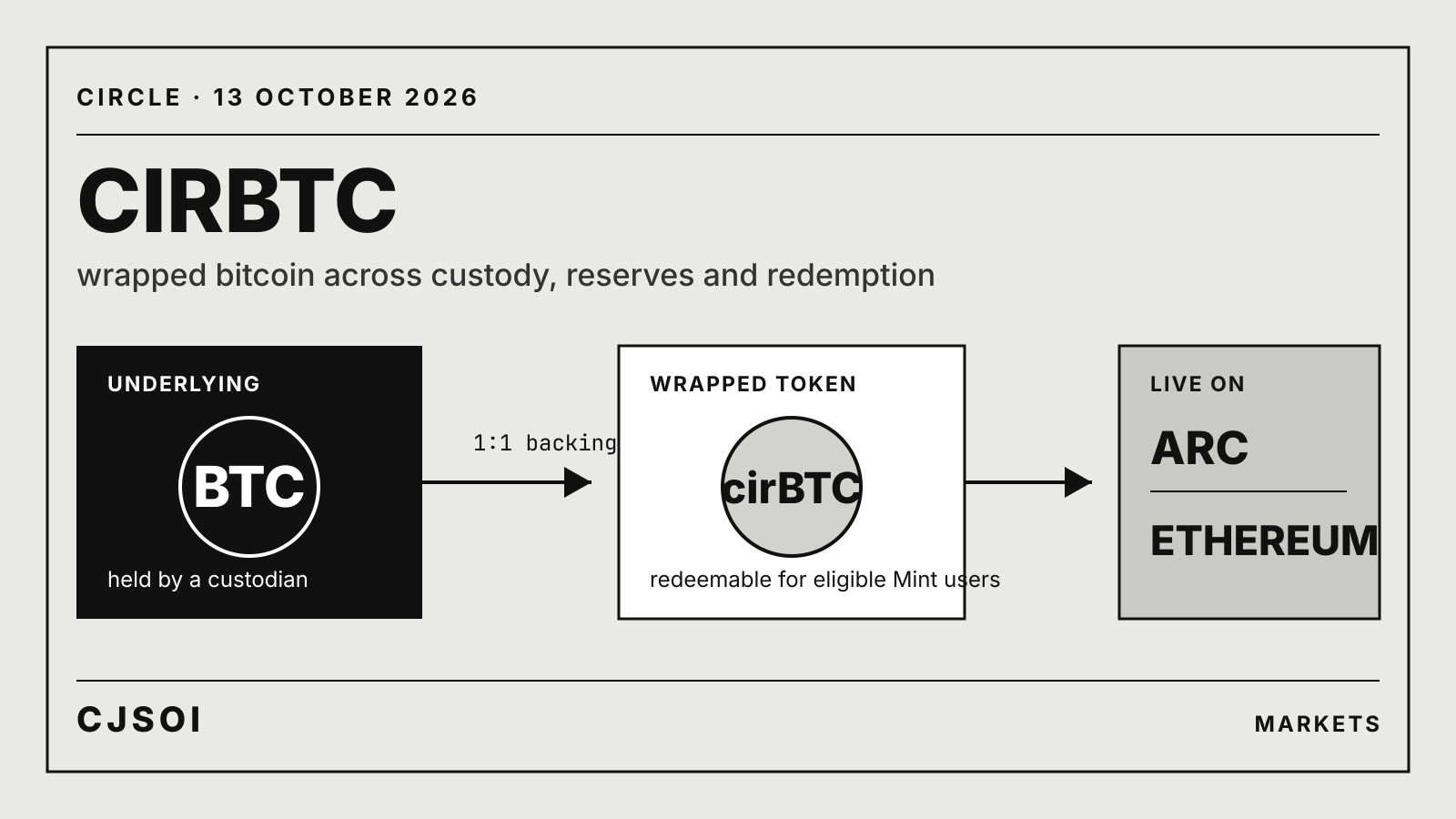
According to Circle’s announcement, the bitcoin backing cirBTC is held by Circle National Trust and segregated for token holders. Circle says every cirBTC is backed one-to-one by bitcoin and that Chainlink Proof of Reserve supports on-chain reserve visibility.
Those statements describe the intended structure. They do not remove counterparty risk, smart-contract risk or the need to examine the latest reserve and legal disclosures.
Circle says eligible Circle Mint customers can mint or redeem cirBTC one-to-one. A holder without a Circle Mint account cannot redeem directly with Circle, so access to the primary redemption channel depends on eligibility. Other holders may need to use a market venue or transfer to an eligible counterparty.
Where cirBTC is available
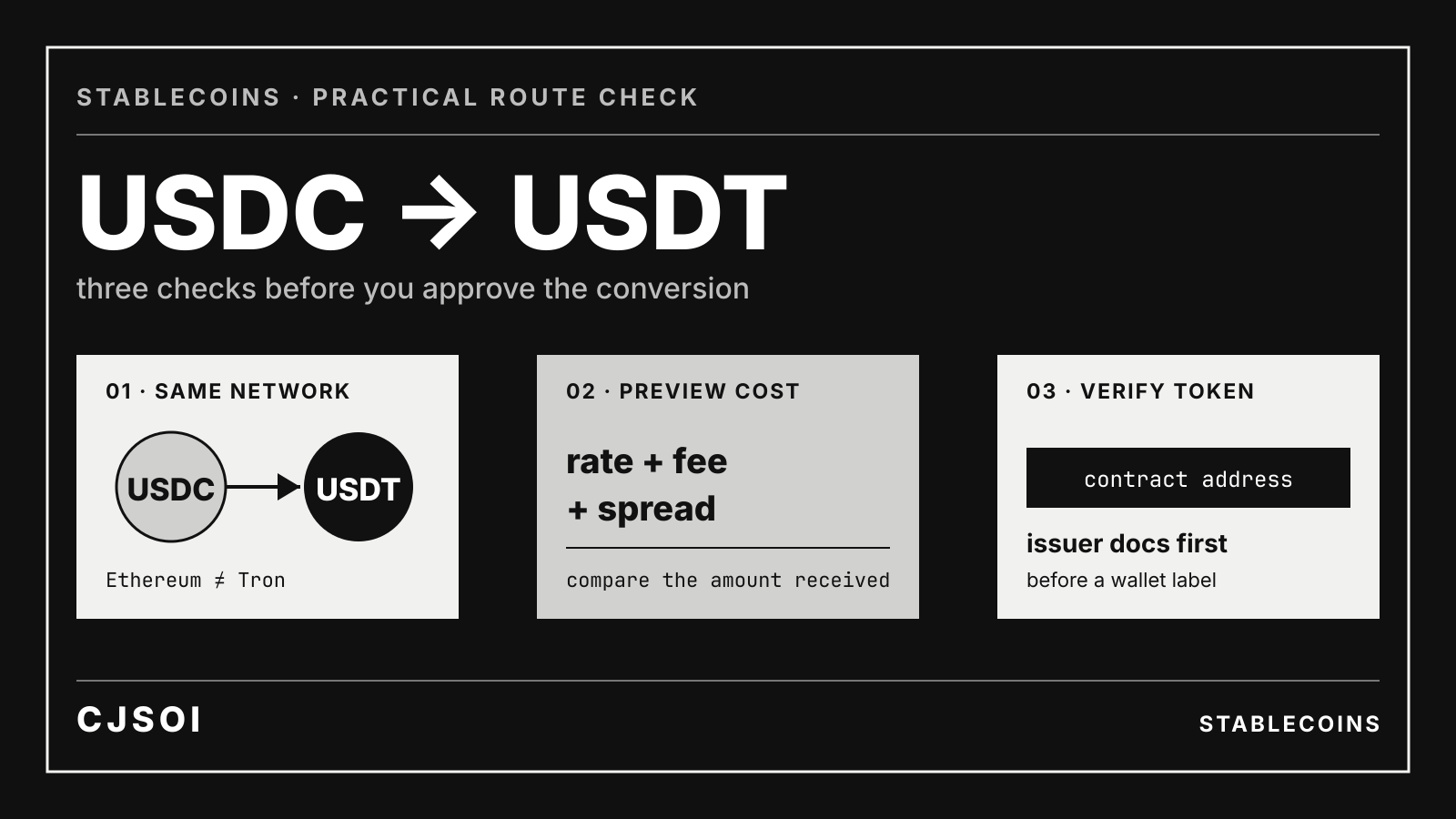
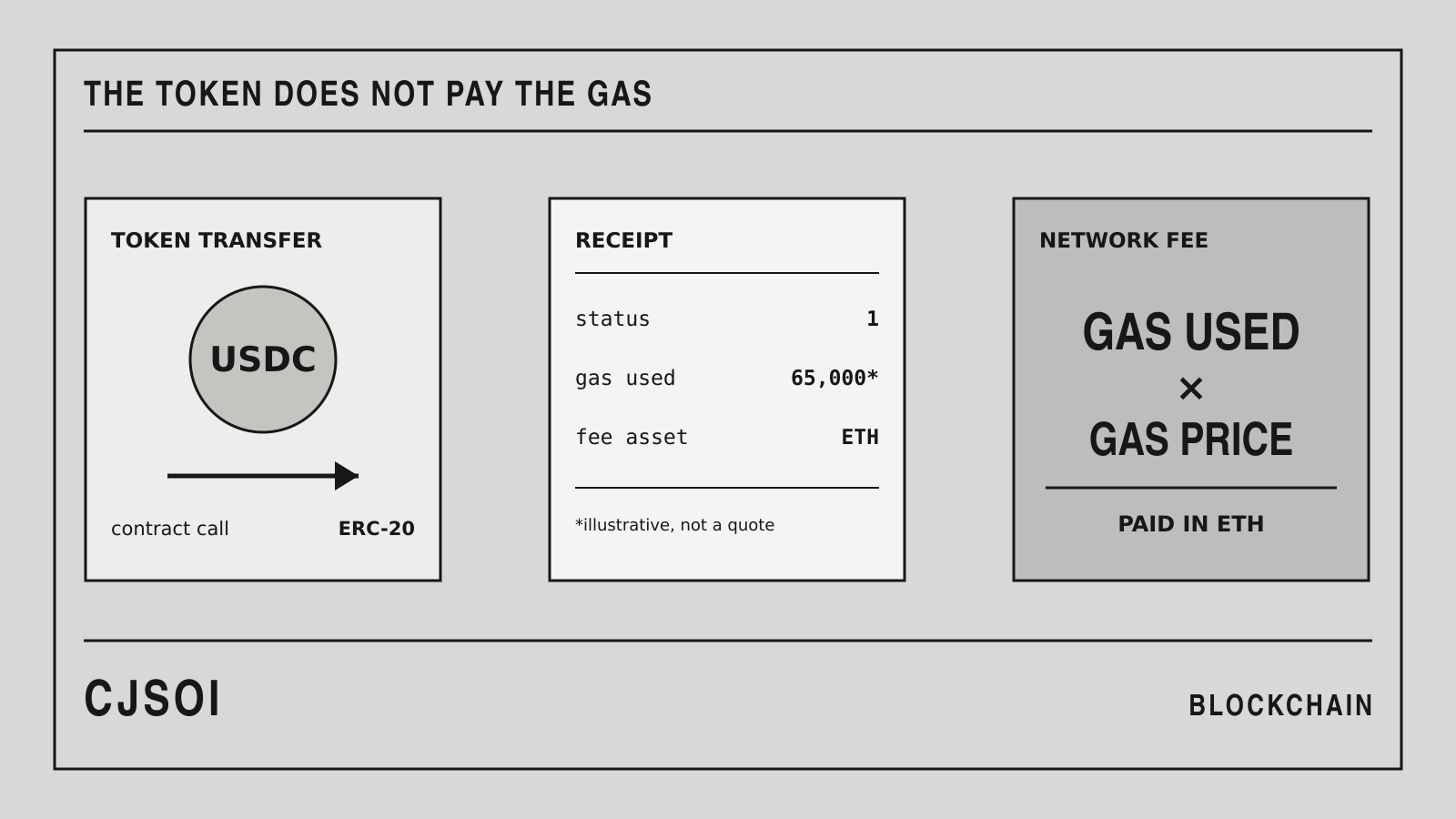
Circle says cirBTC is live on Arc and Ethereum, with more chains planned. Anyone moving or receiving it should verify the chain and contract before signing a transaction. Our network selection guide explains why the same ticker on different networks is not interchangeable, while the Ethereum gas guide covers the separate network fee that applies to Ethereum transfers.
A roadmap is not current availability. Until Circle publishes support for another chain, users should not assume that a similarly named token there is issued by Circle.
What to check before using it
Start with the issuer’s current contract list and reserve disclosures. Confirm whether your platform supports deposits and withdrawals on the same network. Then check whether you can access direct redemption, what fees or limits apply, and which entity is your counterparty.
For institutions, the practical test is not simply whether bitcoin exists in custody. It is whether ownership, redemption rights, operational controls and failure procedures are documented well enough for the intended use.